6th Grade Math Activities
46 free 6th grade lessons, each built around a virtual manipulative that students use right in the browser. There is no login or download. Pick a topic or math tool below, or browse by Common Core standard.
- Build Rectangles for Distributive Expressions
Students arrange a rectangle for a number times (x plus a number) and use its tiles to describe an equivalent sum.
6.EE.A.3 - Does the Value Make the Equality True?
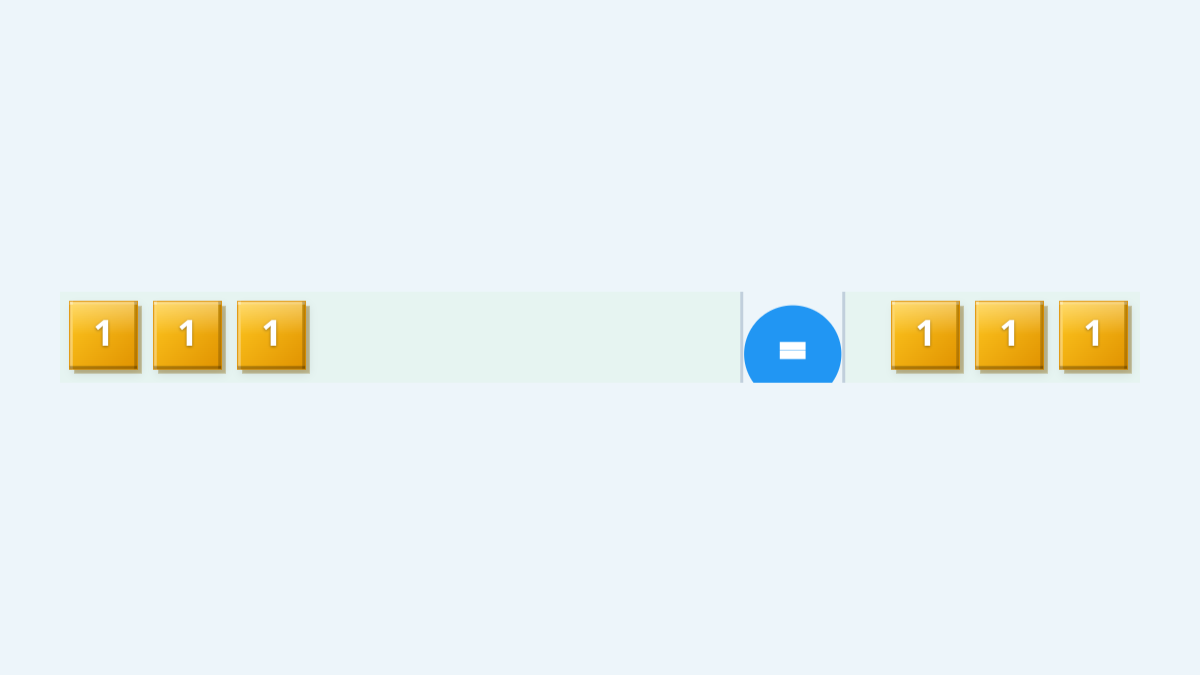
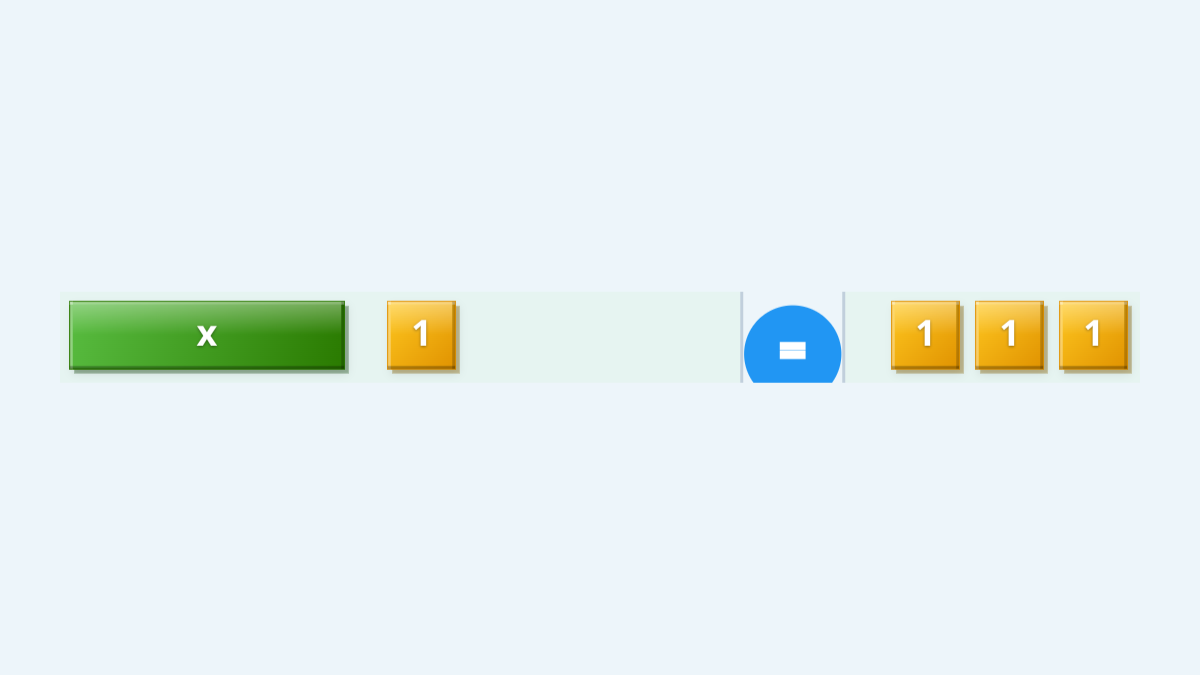
Students replace x with a proposed value and use tiles to decide whether both sides of an equation are equal.
6.EE.B.5 - Find x by Making Equal Groups
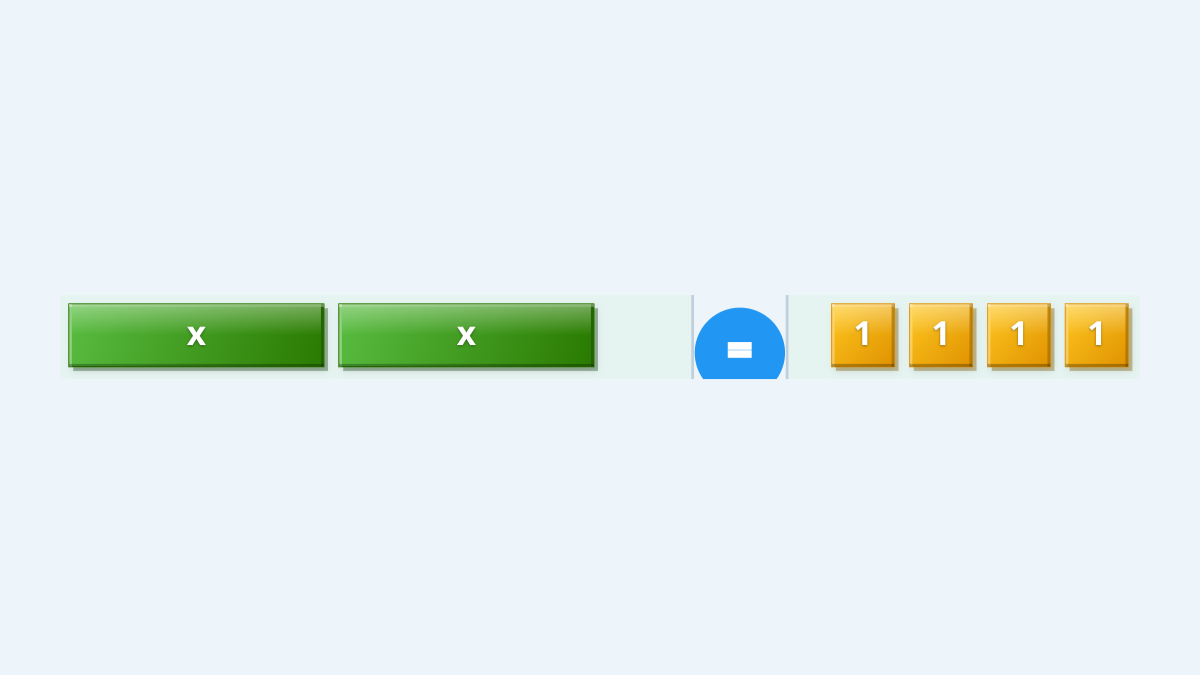
Students share unit tiles equally among x tiles to find the value of x.
6.EE.B.7 - From Words to Algebra Tiles
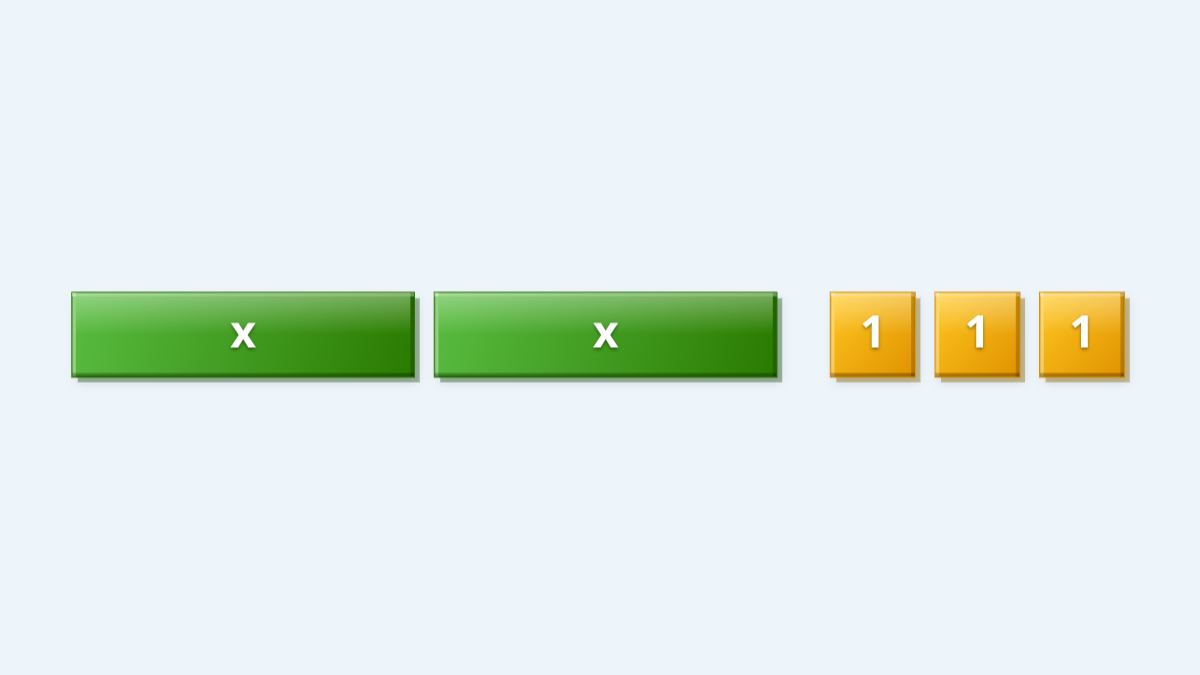
Students use x tiles and unit squares to model a verbal expression.
6.EE.A.2 - Keep Both Sides Equal: Find x
Students remove equal numbers of unit tiles from both sides of an equation to find x.
6.EE.B.7 - Same Value, Different Tile Layouts
Students use tile layouts to decide whether two expressions have the same value for every value of x.
6.EE.A.4 - Unknown Amounts with Algebra Tiles
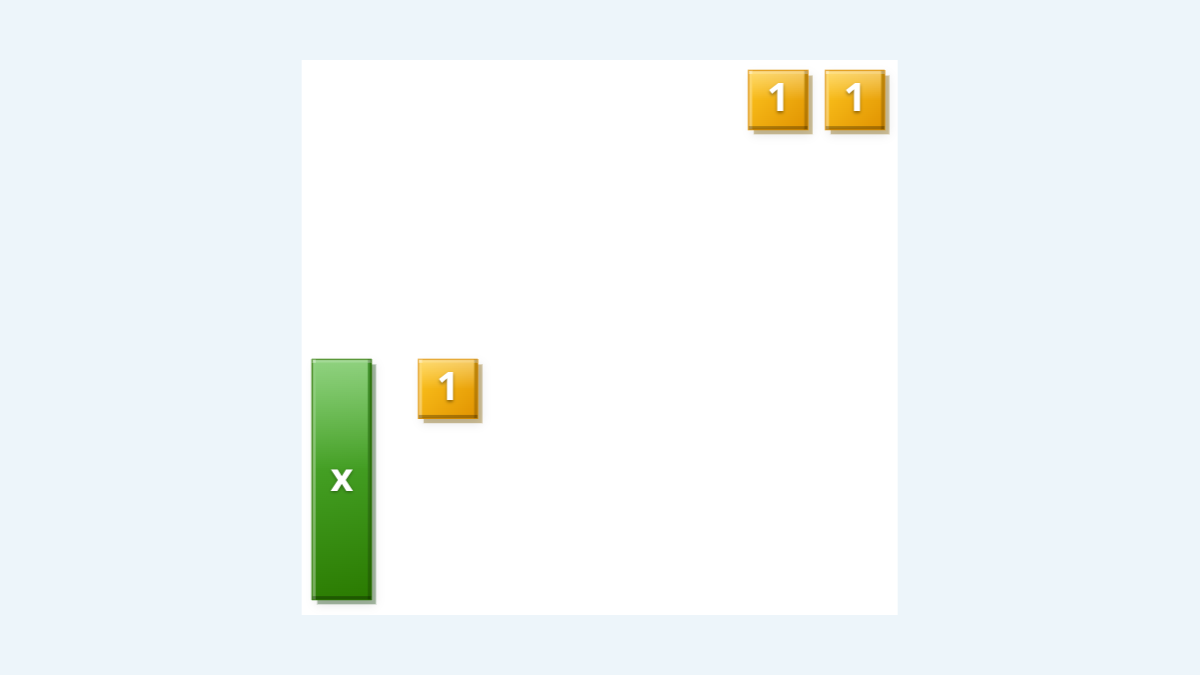
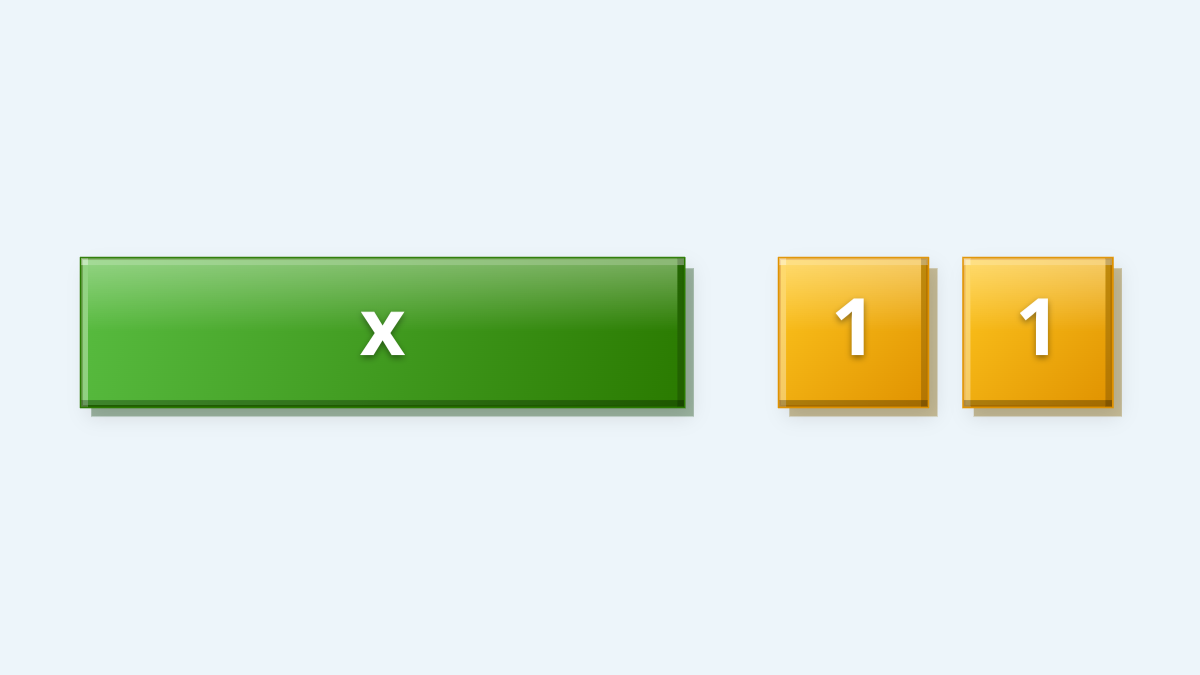
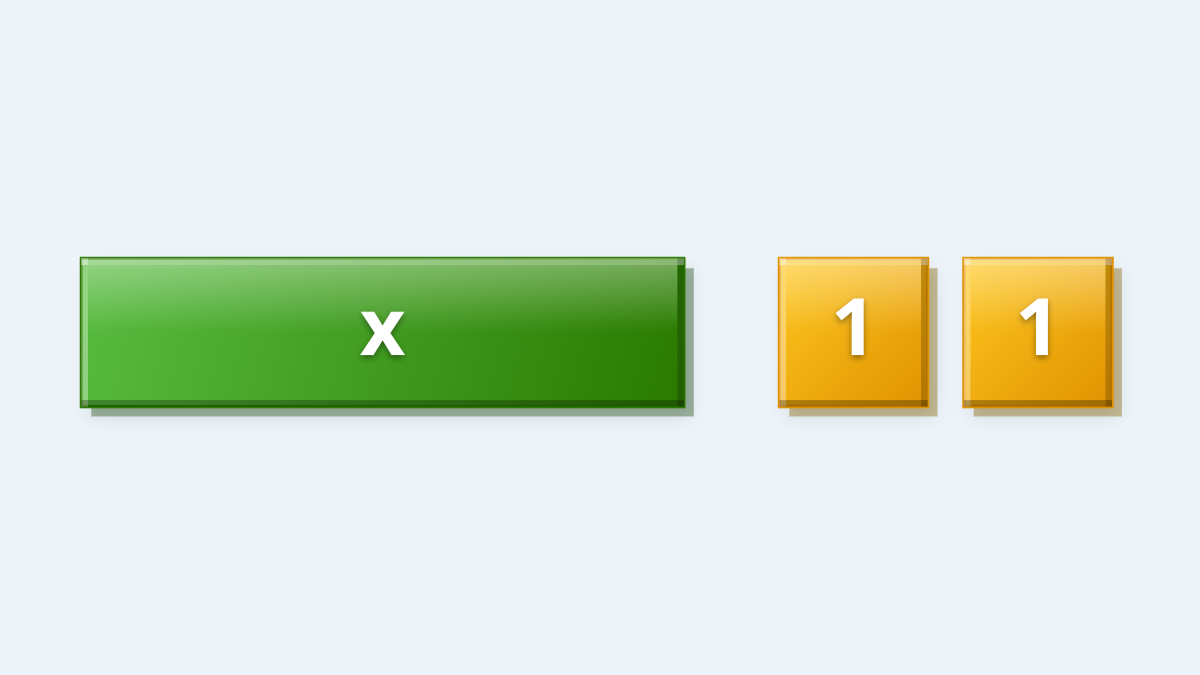
Students use an x tile for an unknown amount and write an expression for a total.
6.EE.B.6
- Feet and Inches on One Line
Students compare feet and inches on a number line using equivalent ratios.
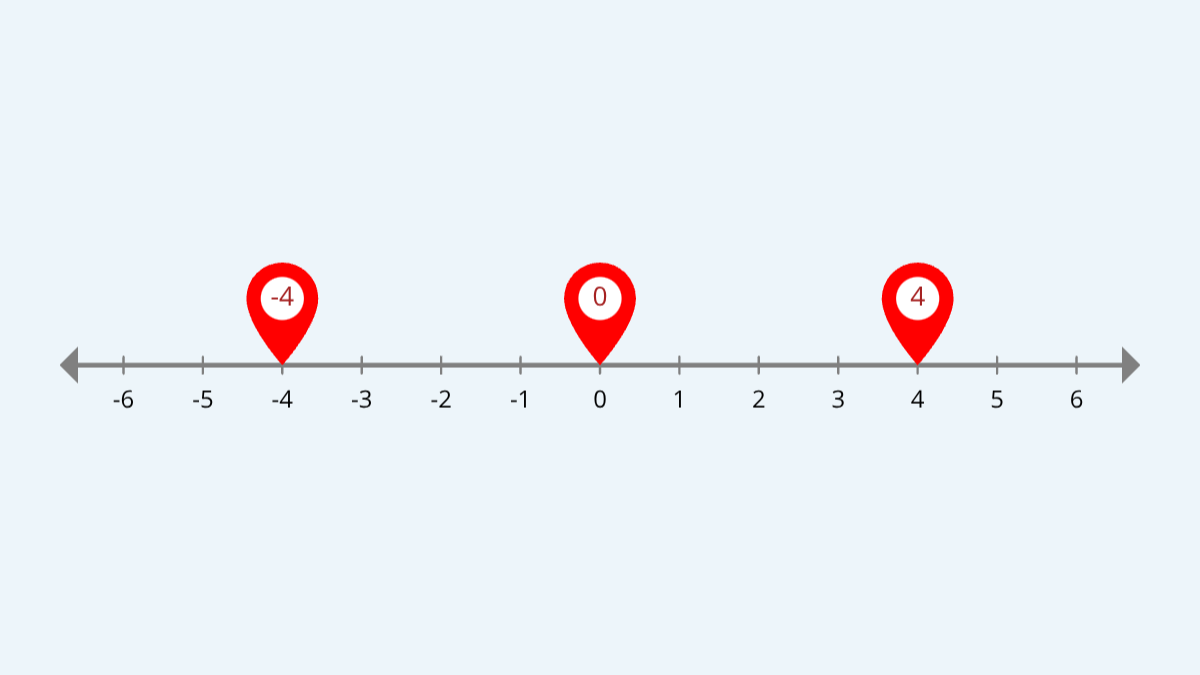
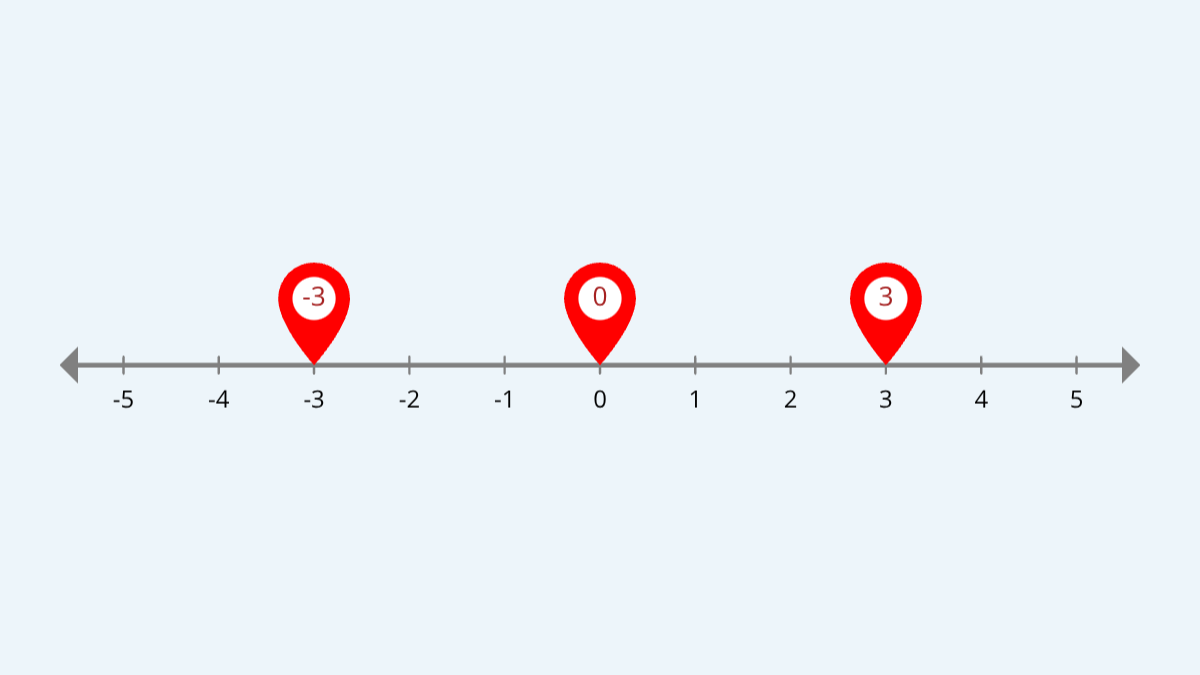
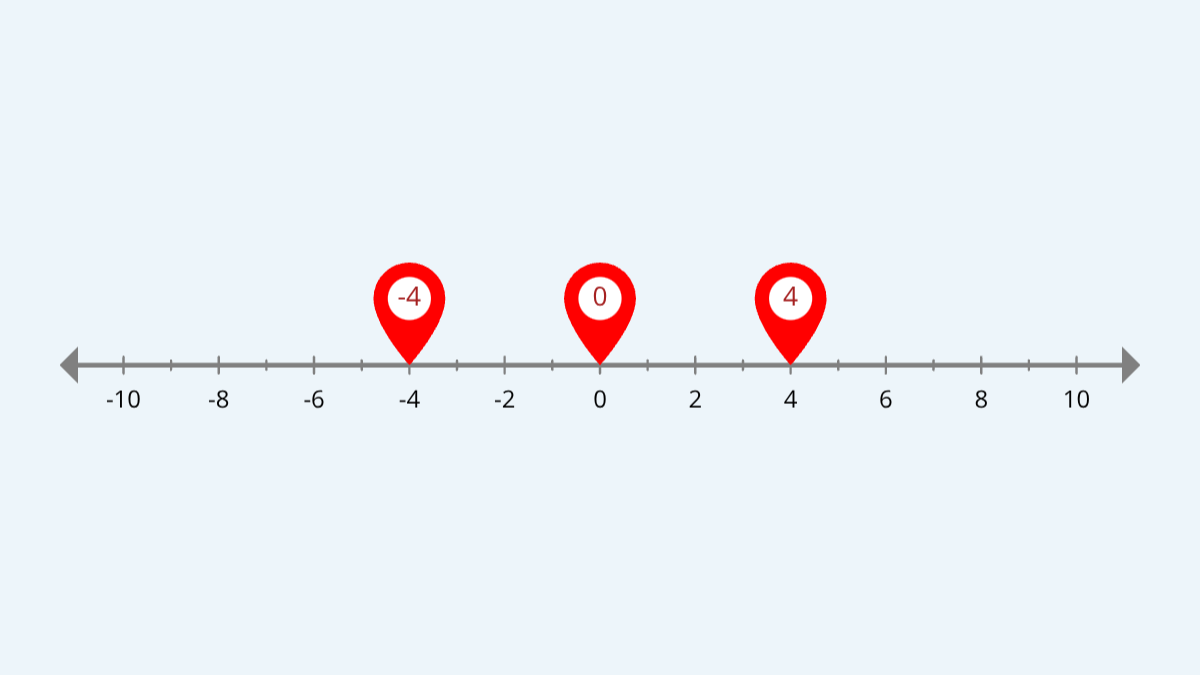
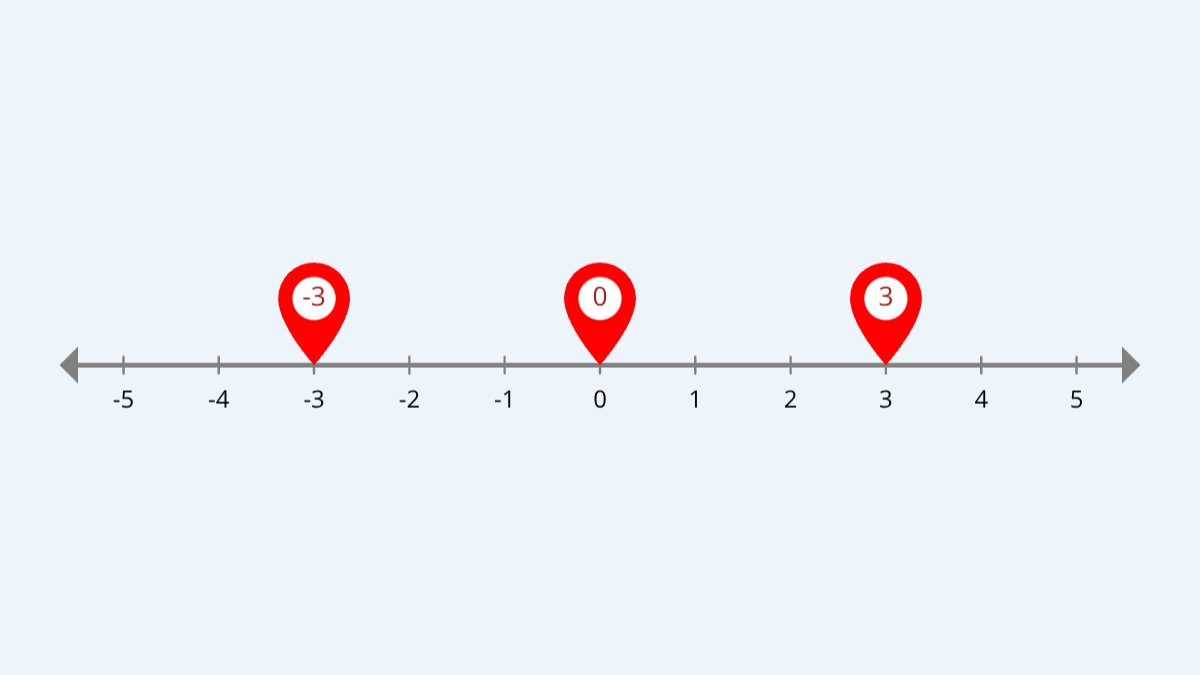
6.RP.A.3 - Finding Opposites on a Number Line
Students locate signed numbers and their opposites on a number line.
6.NS.C.6 - Opposites on a Number Line
Students locate signed numbers and their opposites on a number line.
6.NS.C.6 - Signs Tell a Story
Students explain what positive and negative numbers mean in real-life situations.
6.NS.C.5 - What Do Signs Mean?
Students use a number line to explain positive and negative values in real situations.
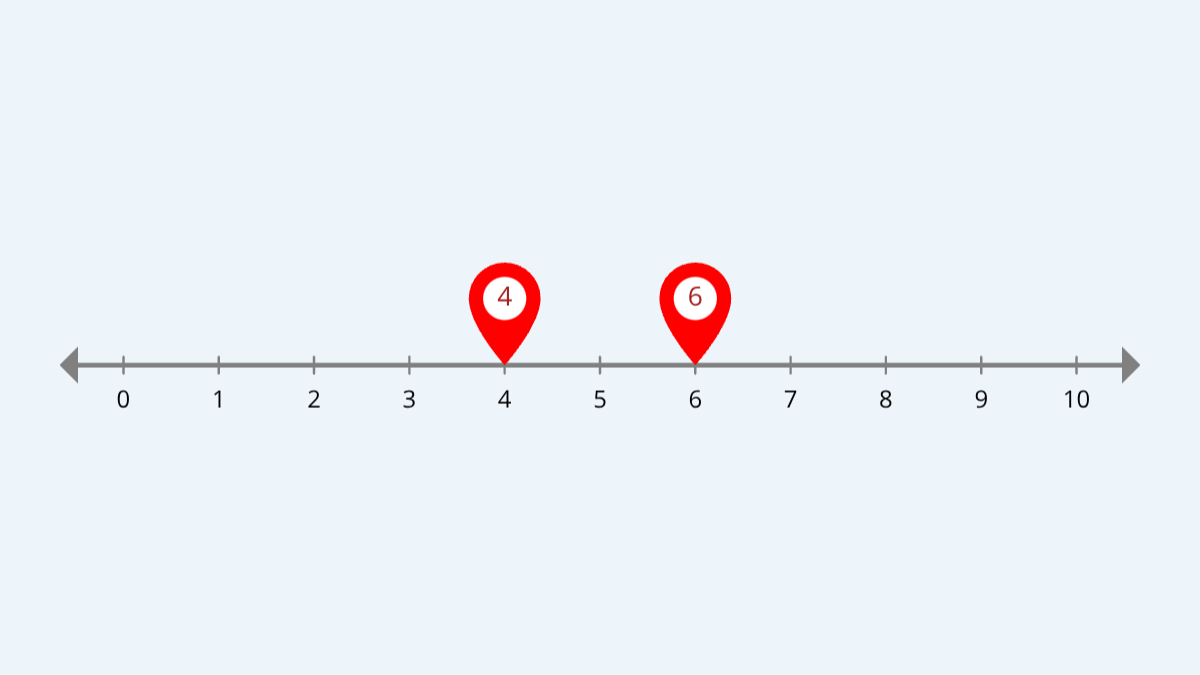
6.NS.C.5 - Where Does the Range Begin?
Students show a variable's range with an open or closed endpoint and a ray.
6.EE.B.8
- How Many Fraction-Size Pieces Fit?
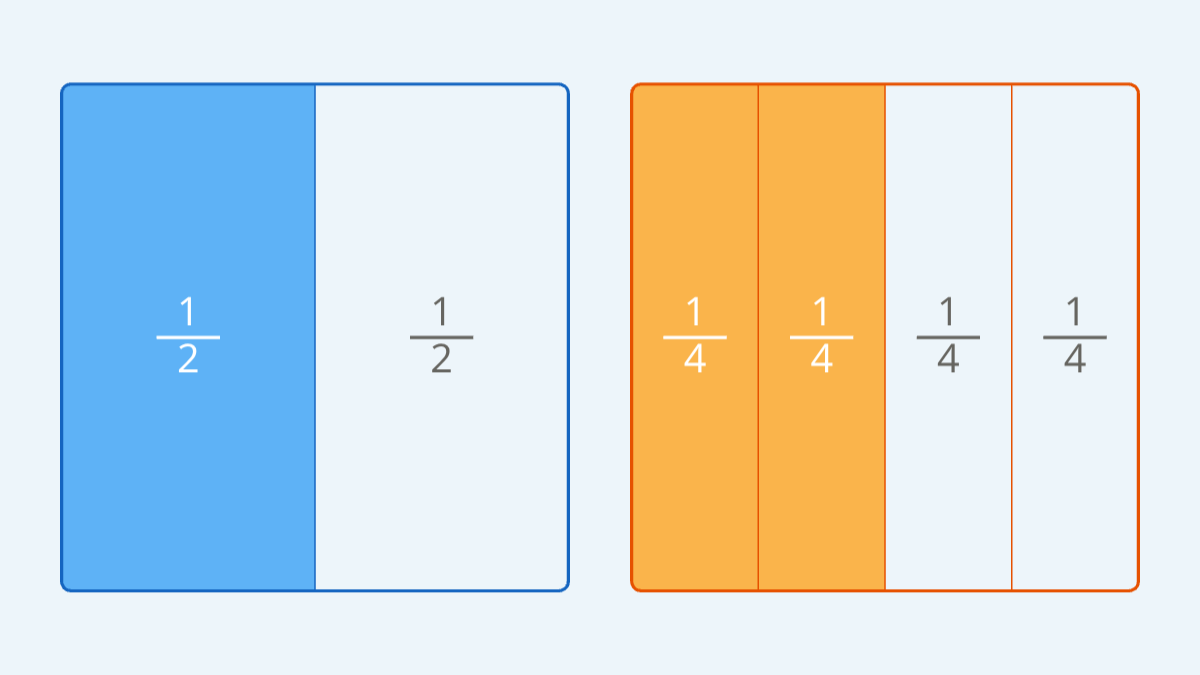
Students use equal-size fraction strips to show how many fraction-size pieces fit in another fraction.
6.NS.A.1 - Percentages in Fraction Bars
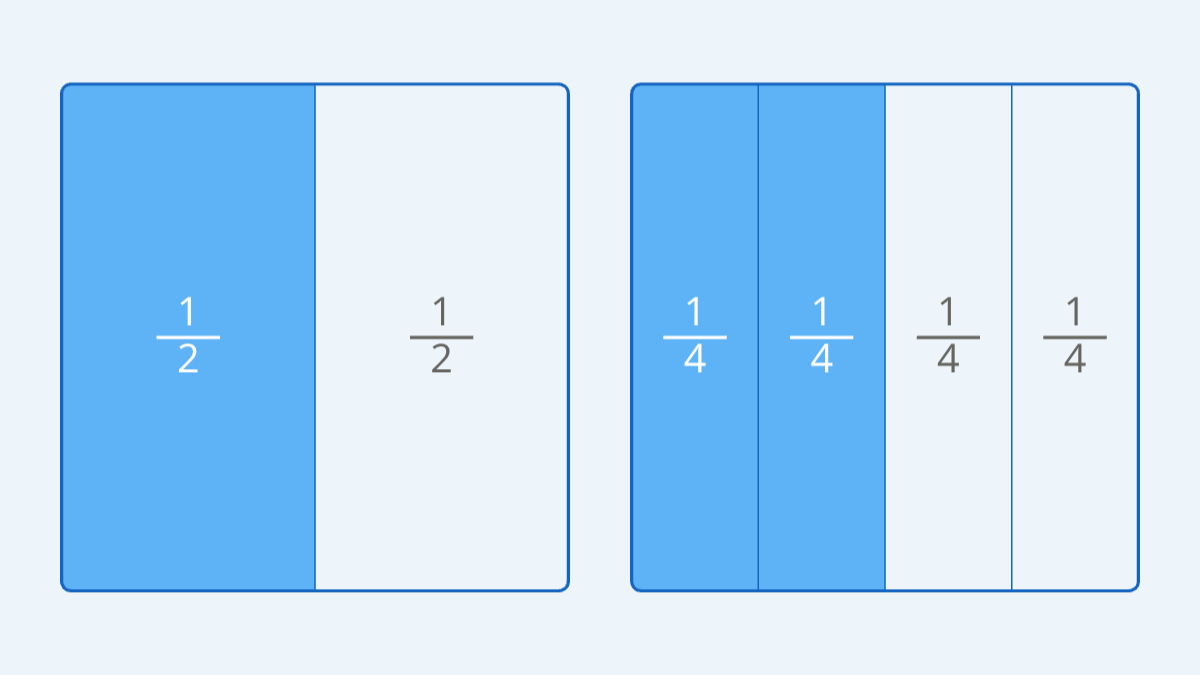
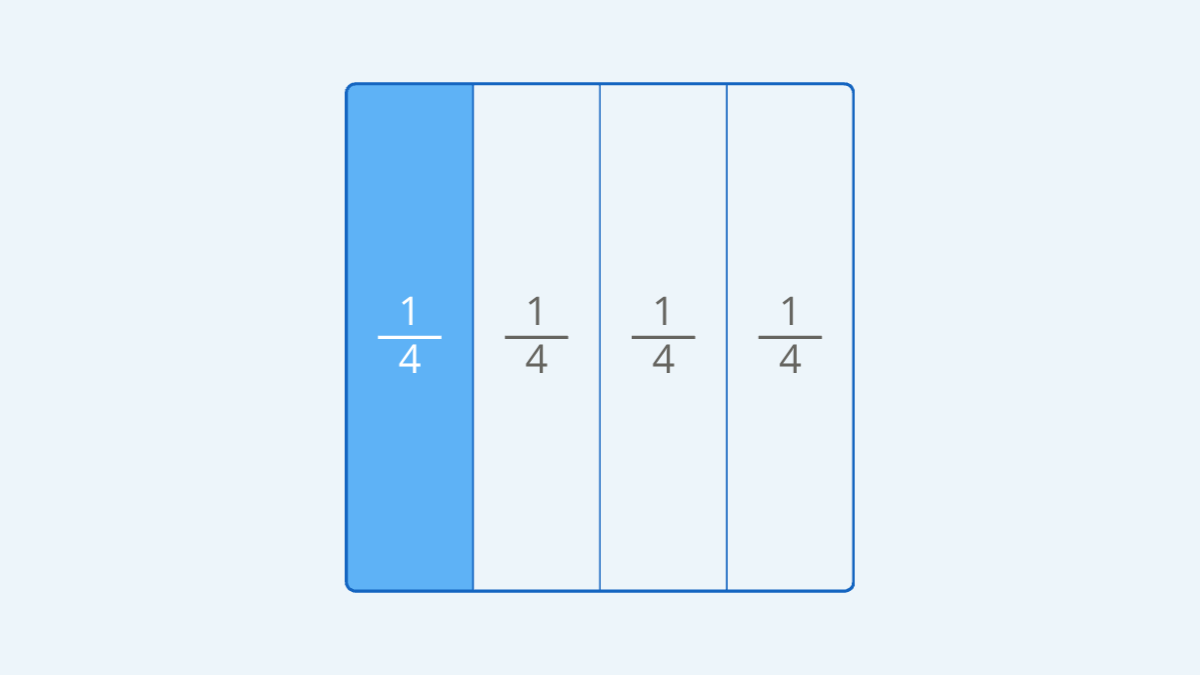
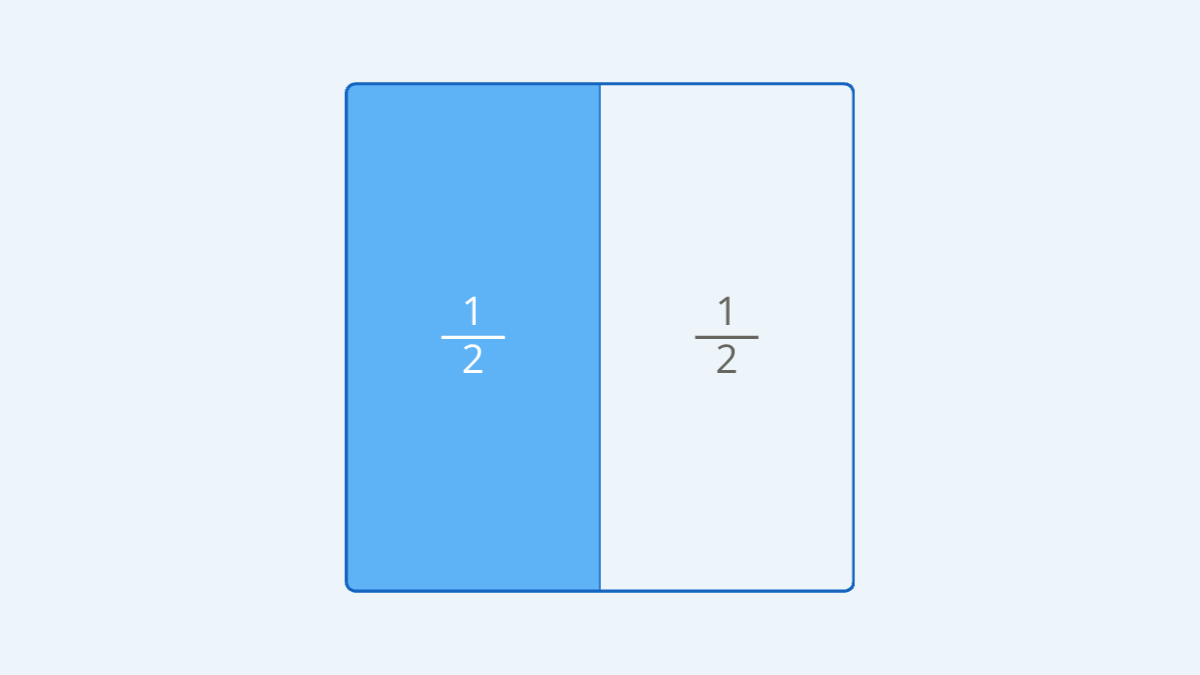
Students use shaded fraction bars to show and explain 10%, 25%, 50%, and 75% of a whole.
6.RP.A.3 - Recover the Original Rectangle
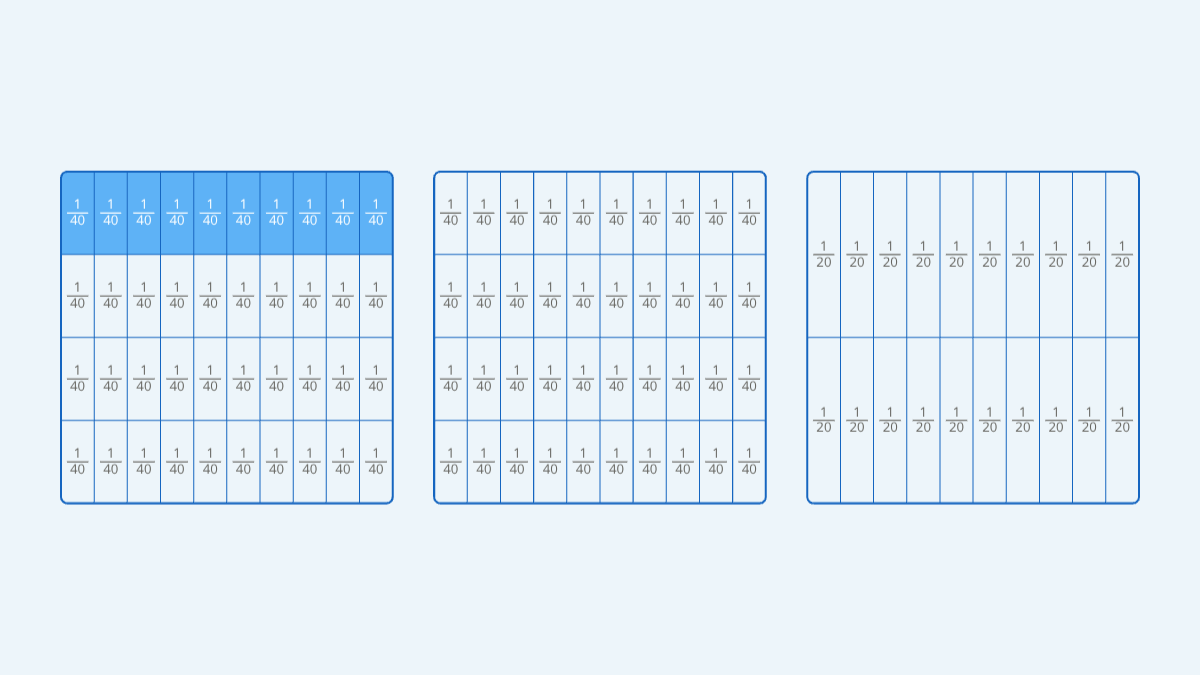
Students use a fraction bar to find a rectangle’s original area from a part and its percentage.
6.RP.A.3 - Shade a Percent of 100
Students shade a given number out of 100 equal cells to model a percent.
6.RP.A.3 - Shade the Percent, Find the Part
Students shade a percent of a whole and use equal parts to calculate its value.
6.RP.A.3 - Three Names
Students use fraction bars to show why 3/4, 0.75, and 75% name the same part of a whole.
6.RP.A.3
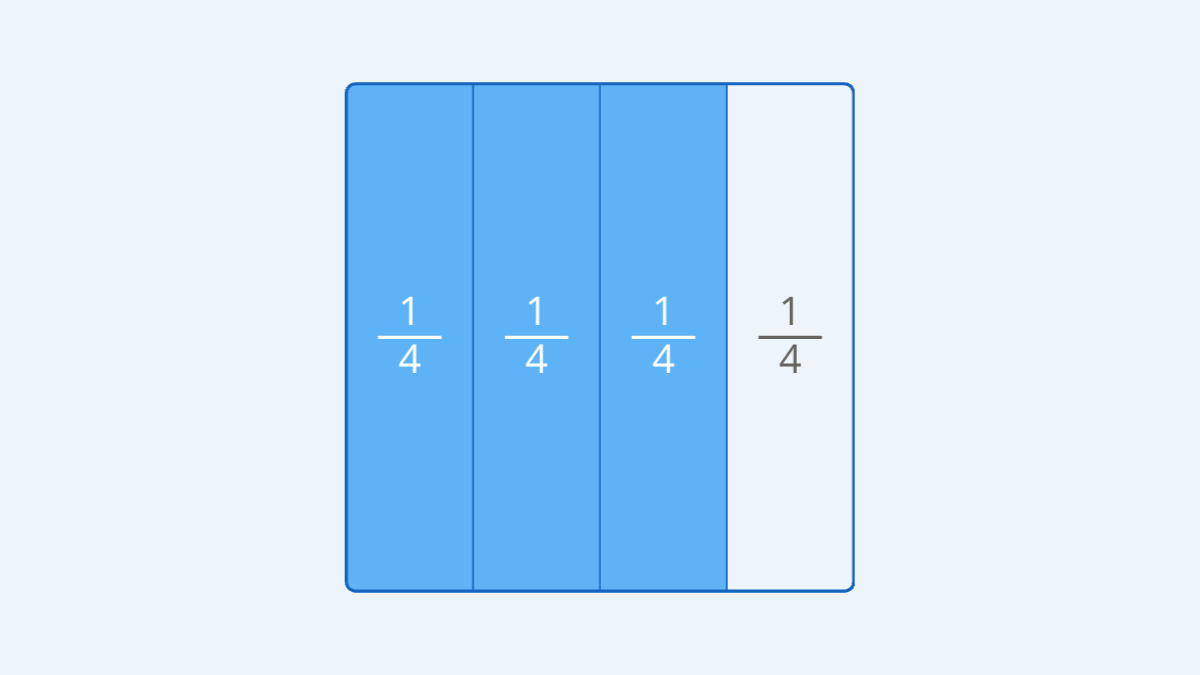
- Grouping Measurements into Equal-Width Bins
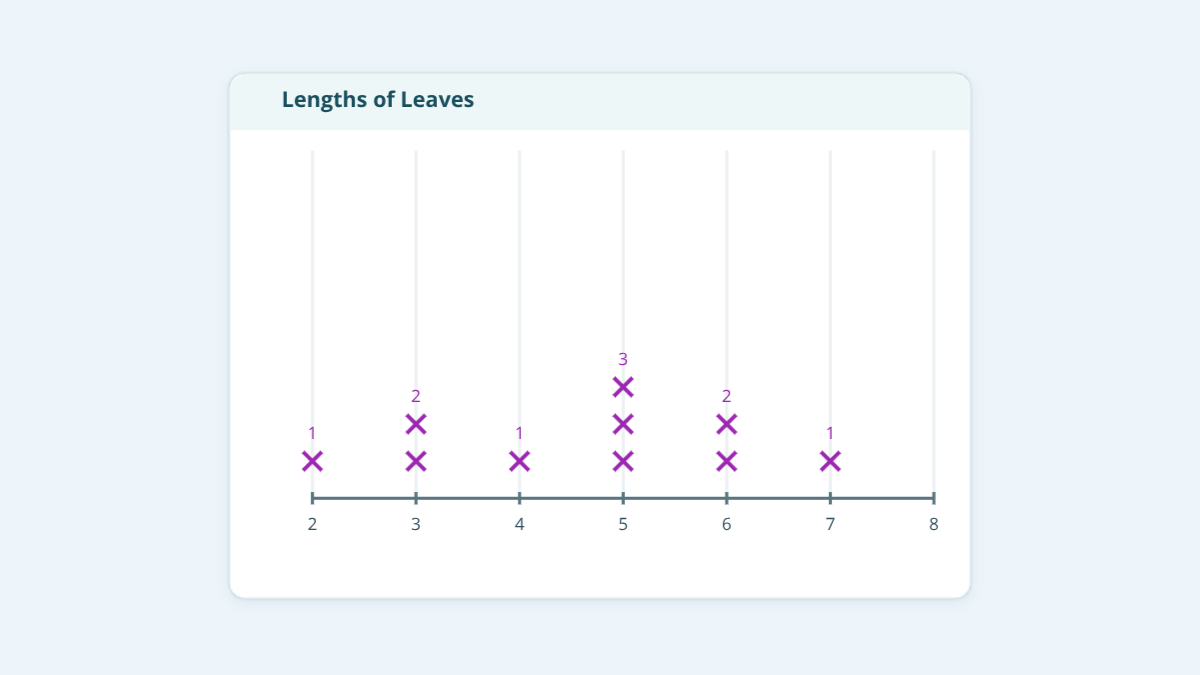
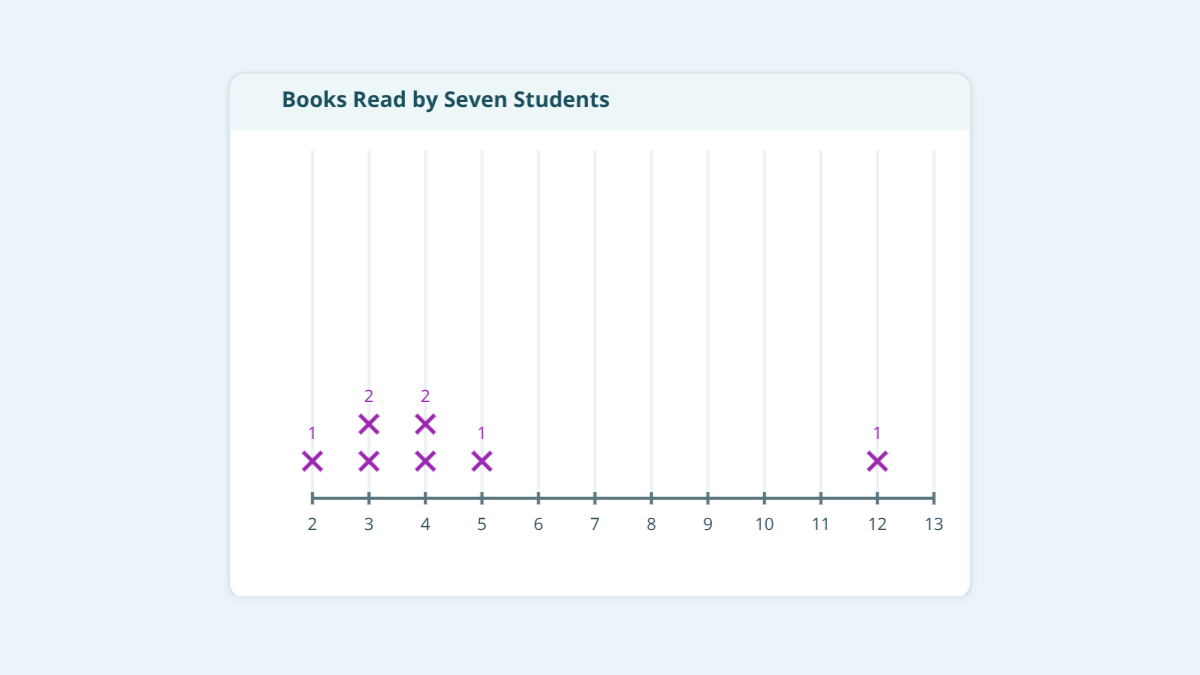
Students group numerical values into equal-width bins and show their frequencies in a histogram.
6.SP.B.4 - Plot Numerical Data on a Number Line
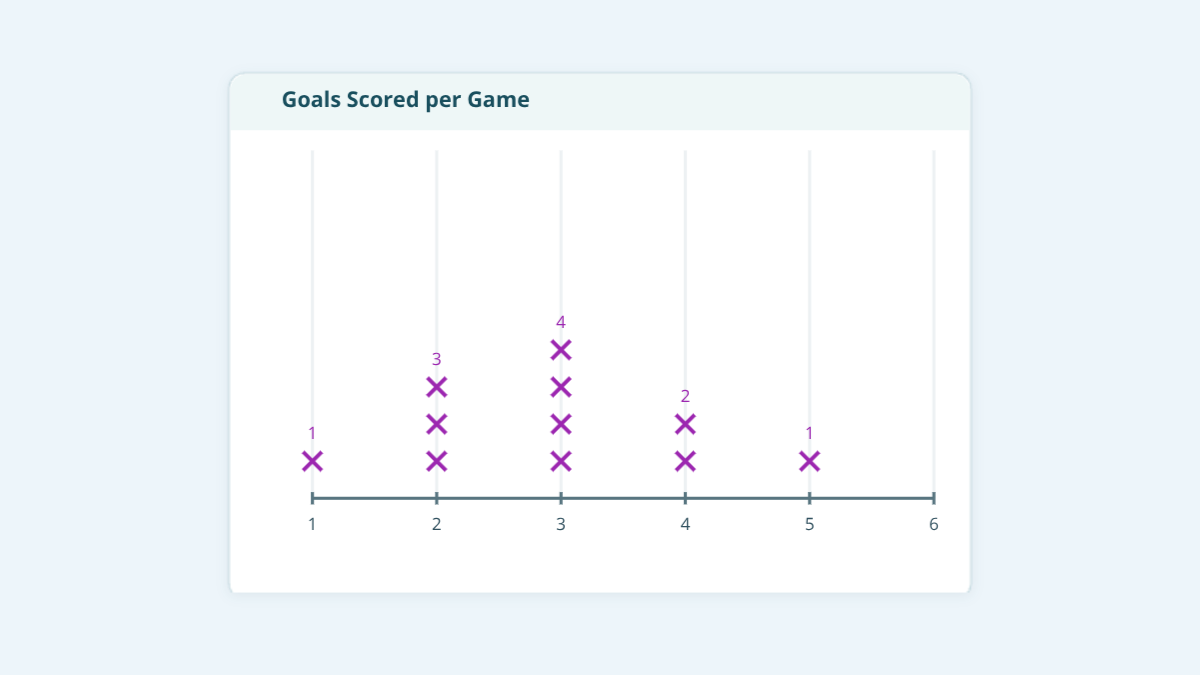
Students plot numerical data on a number line and use equal-width intervals to group measurements.
6.SP.B.4 - The Center and the Spread
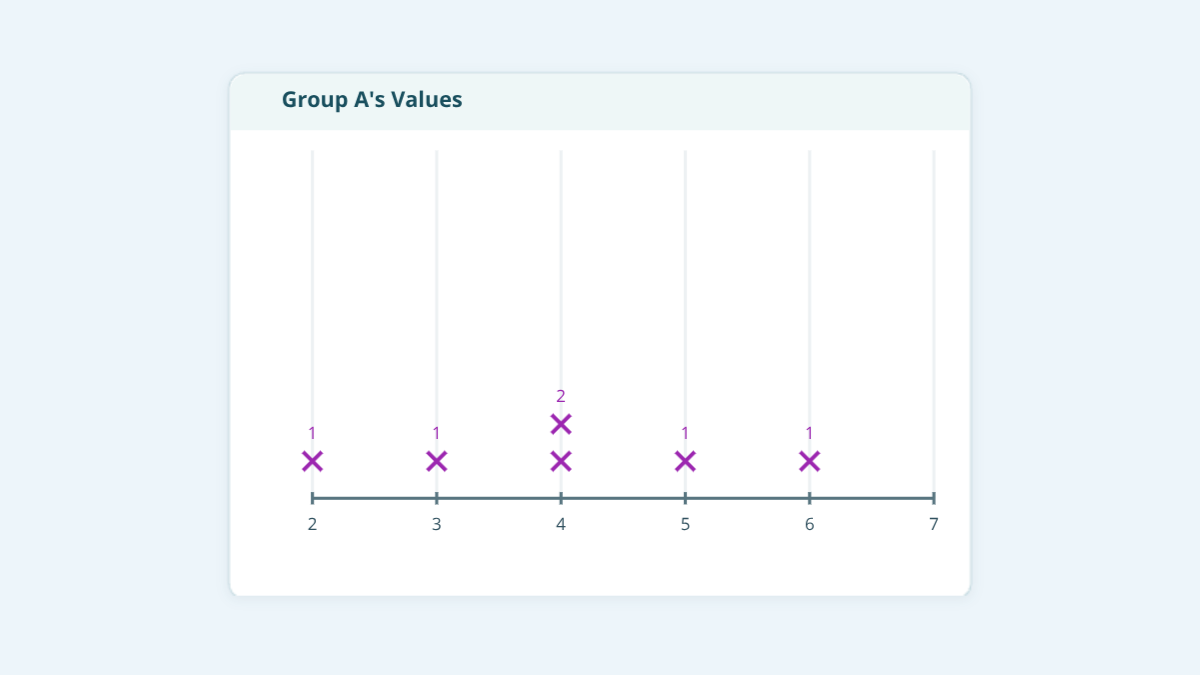
Students compare what a center tells them about data with what the spread tells them.
6.SP.A.3 - Unusual Values and the Best Center
Students explain how an unusual value affects a data set and choose a center that describes a typical value.
6.SP.B.5
- Find the Amount for One
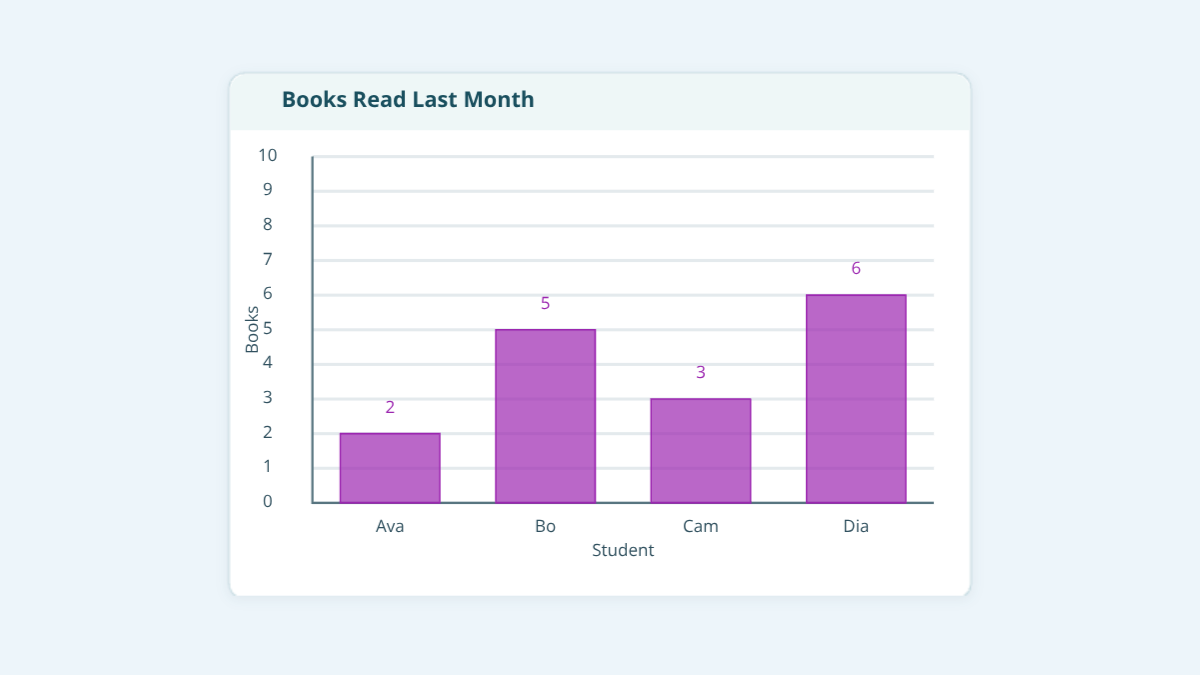
Students partition bars to find how much of one quantity goes with 1 of another.
6.RP.A.2 - Keeping a Paint Mix in Proportion
Students use paired Number Bars to compare two quantities and make equivalent ratios.
6.RP.A.3 - Keeping Two Quantities in Proportion
Students use linked Number Bars to compare quantities and show equivalent ratios.
6.RP.A.3
- Distances Across the Coordinate Plane
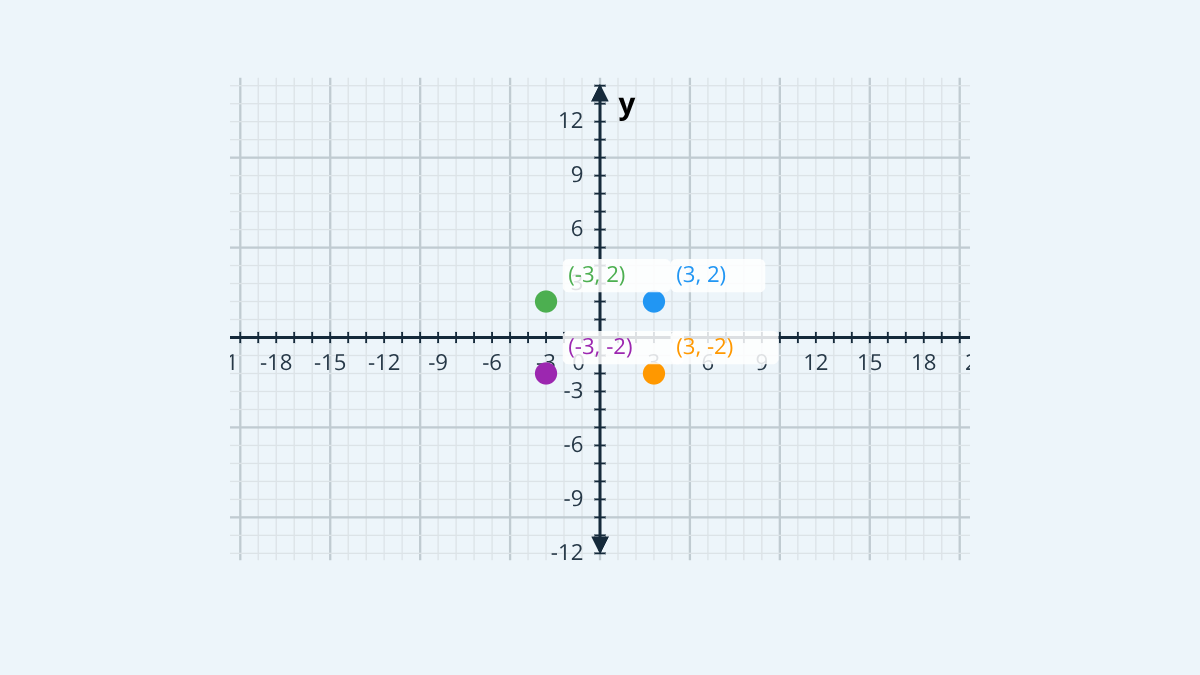
Students find horizontal and vertical distances between points in all four quadrants.
6.NS.C.8 - Finding Points in Four Quadrants
Students use the signs of coordinates to locate points in all four quadrants.
6.NS.C.6 - Graph a Filling Tank
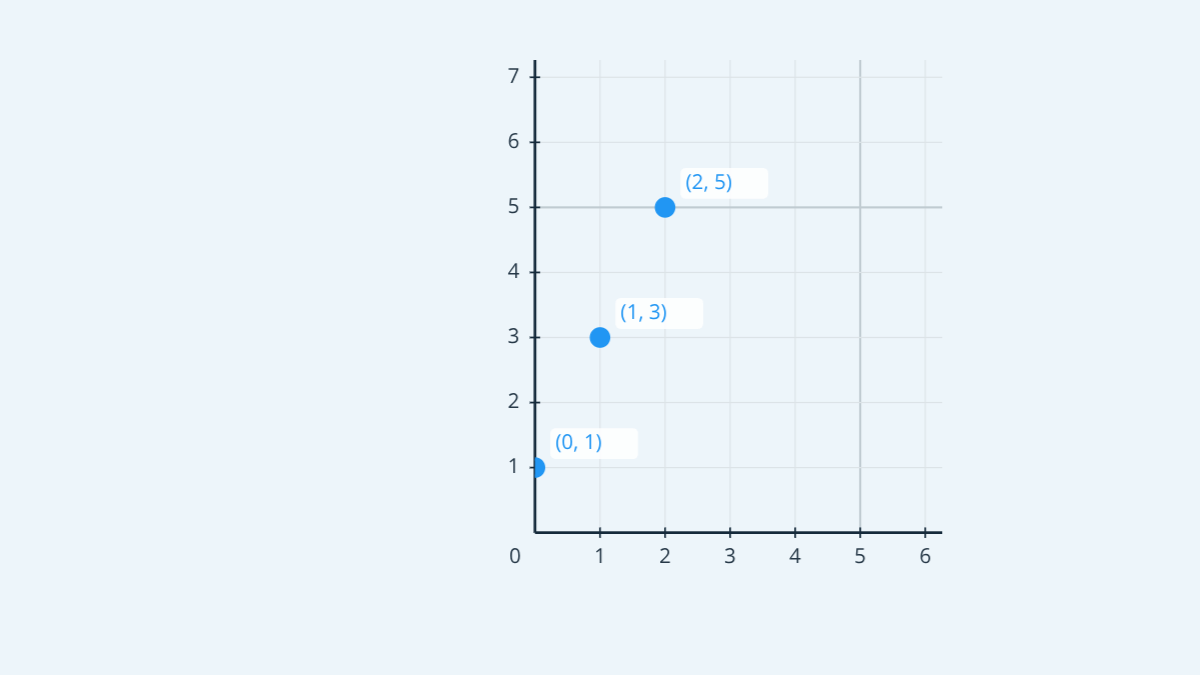
Students graph points from an equation and identify the independent and dependent quantities.
6.EE.C.9 - Polygon Sides on a Coordinate Graph
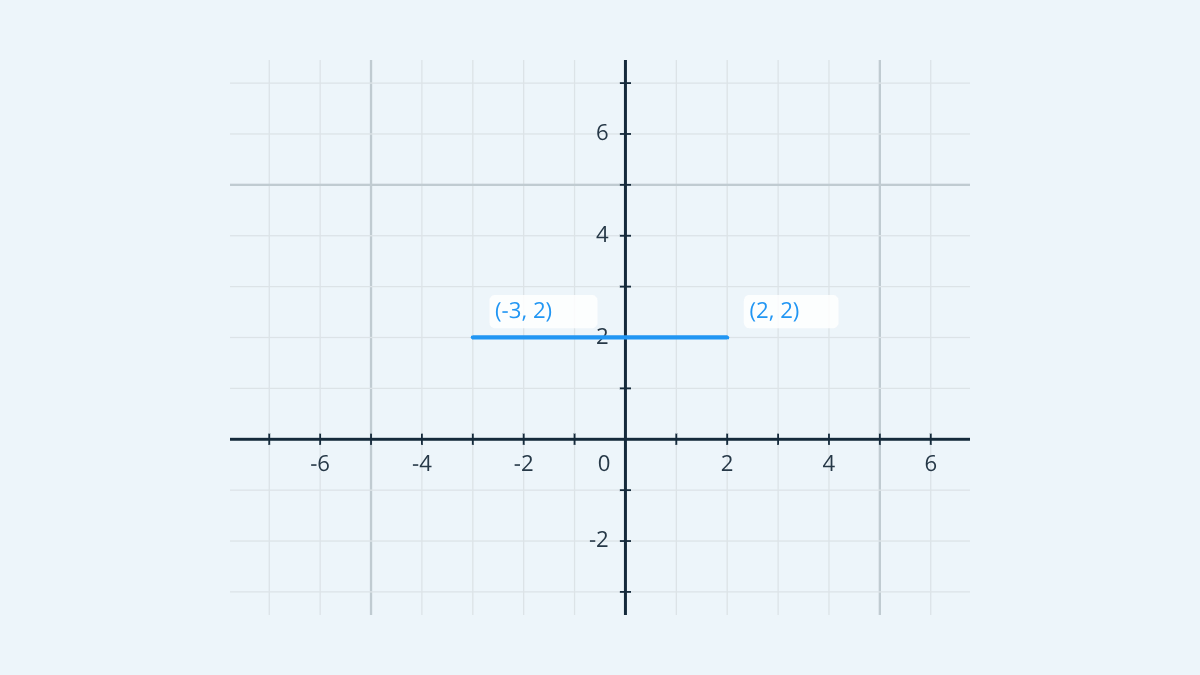
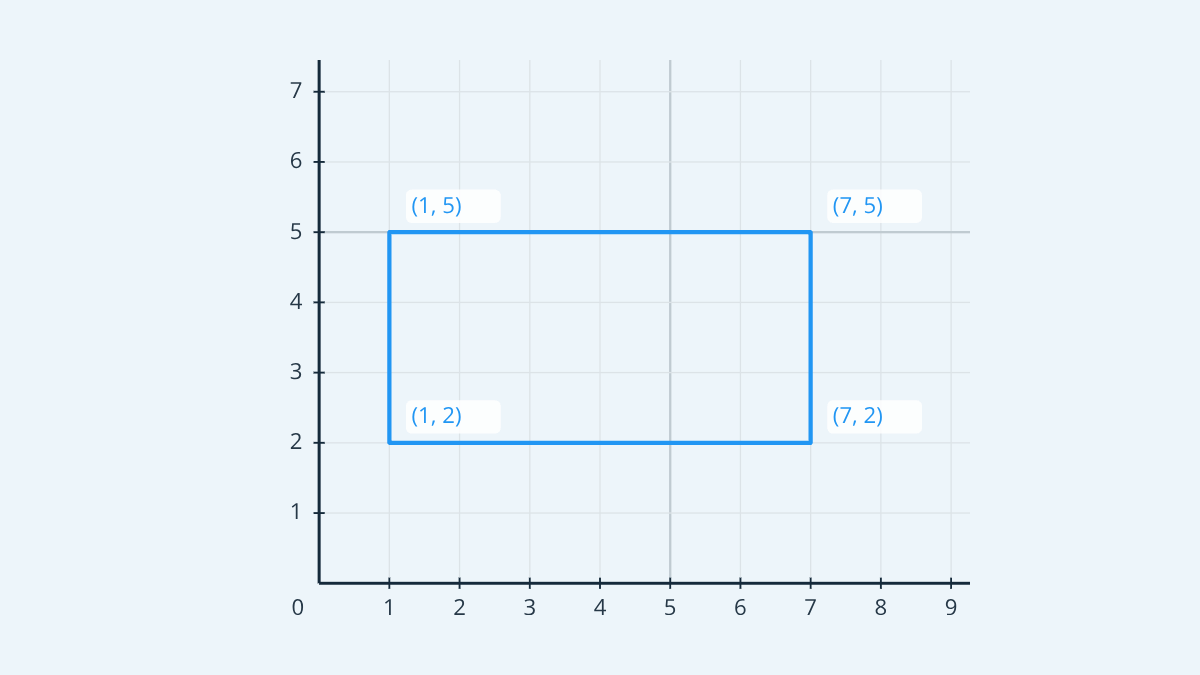
Students plot polygon vertices and use coordinates to find horizontal and vertical side lengths.
6.G.A.3
- Growing Color Mixes
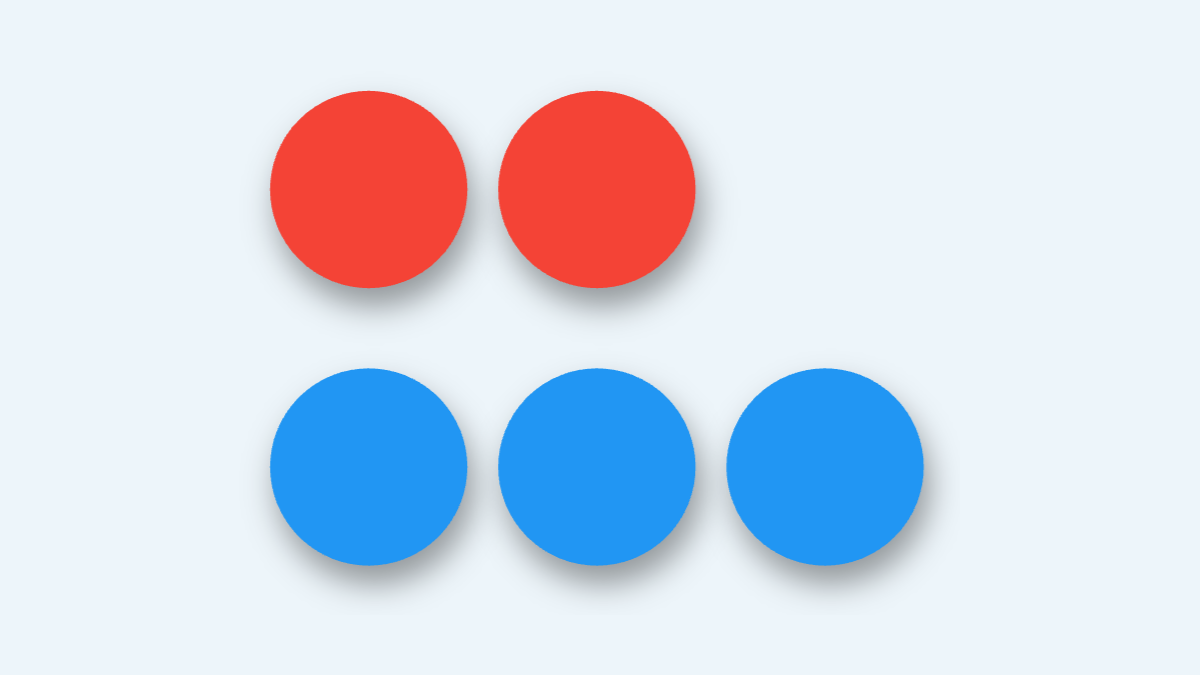
Students scale both color counts by the same factor to keep a ratio equal.
6.RP.A.3 - Keep the Color Ratio Equal
Students scale both color counts by the same factor to make an equal ratio.
6.RP.A.3
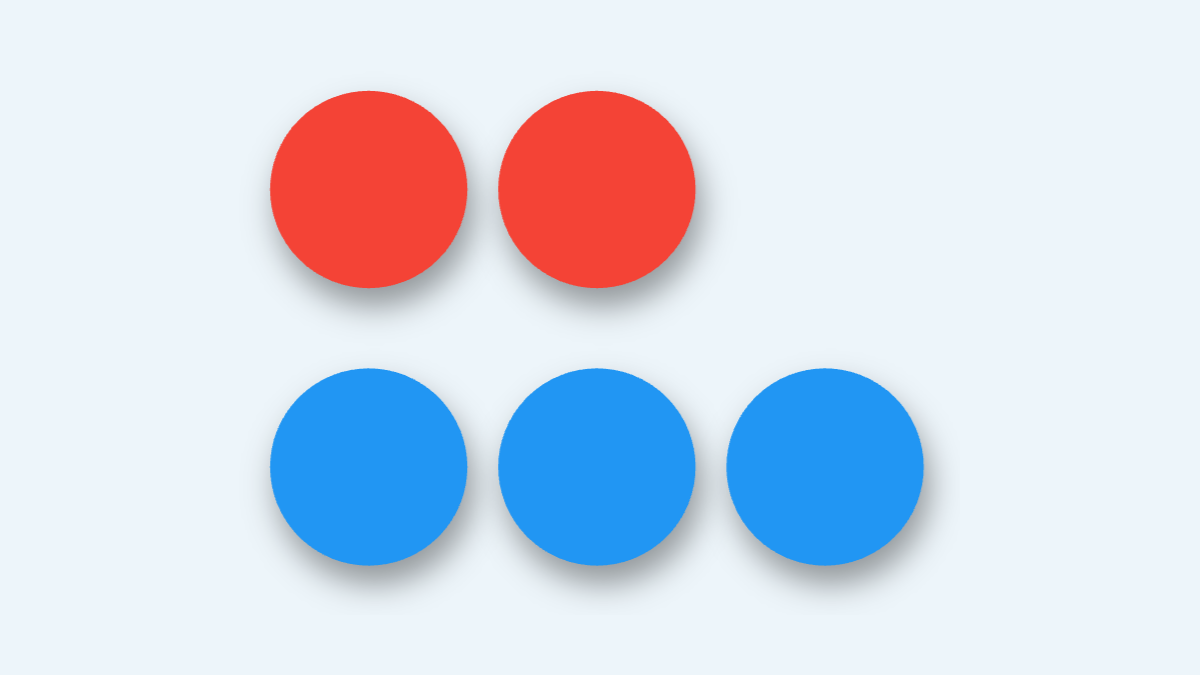
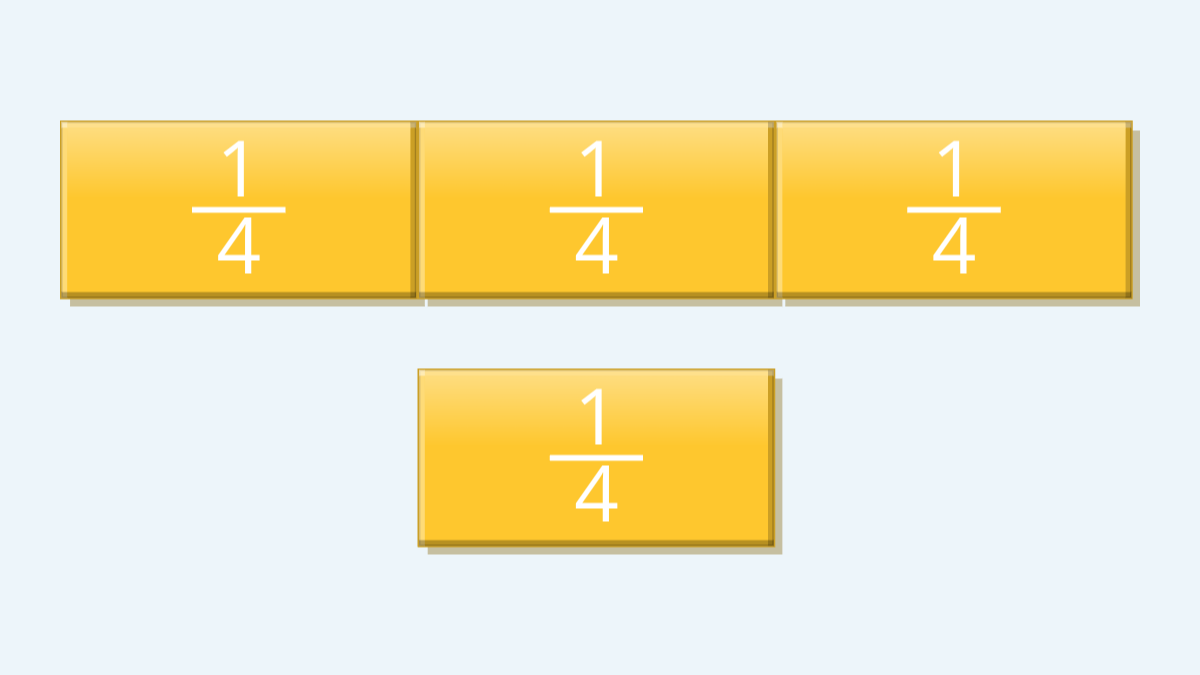
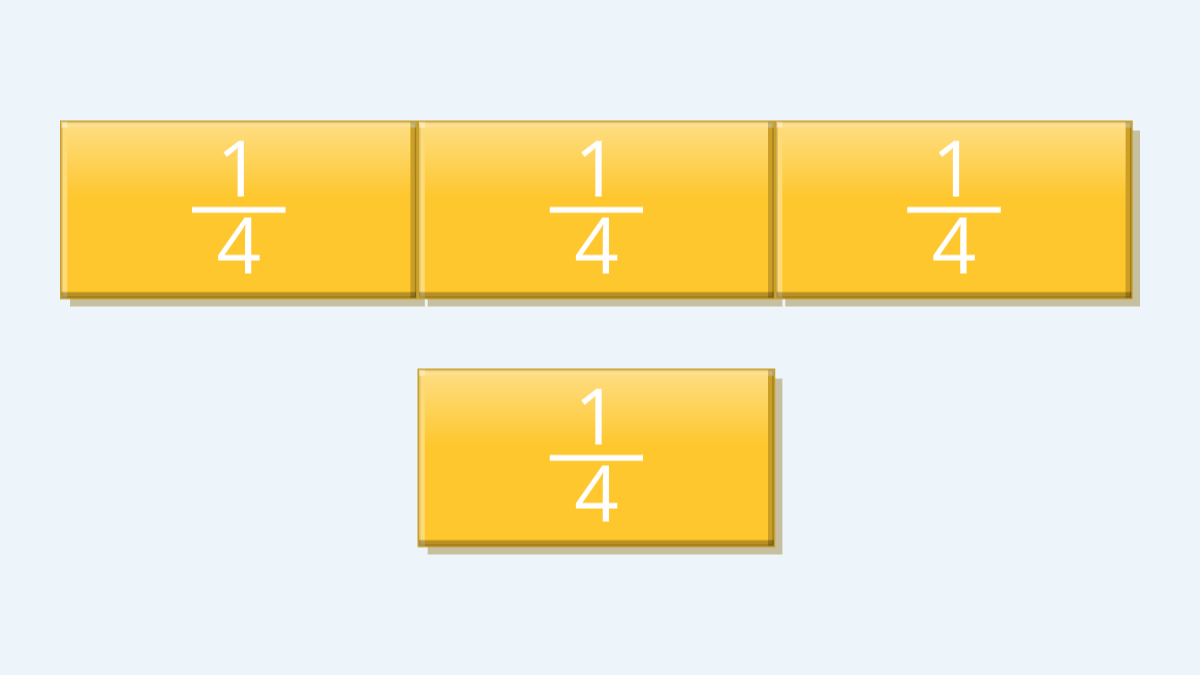
- How Many Fractional Lengths Fit?
Students use fraction tiles to find how many times one fractional length fits into another, including when only part of a length fits.
6.NS.A.1 - How Many Parts Fit?
Students use fraction tiles to show how many divisor-sized parts fit in a dividend, including a partial part.
6.NS.A.1
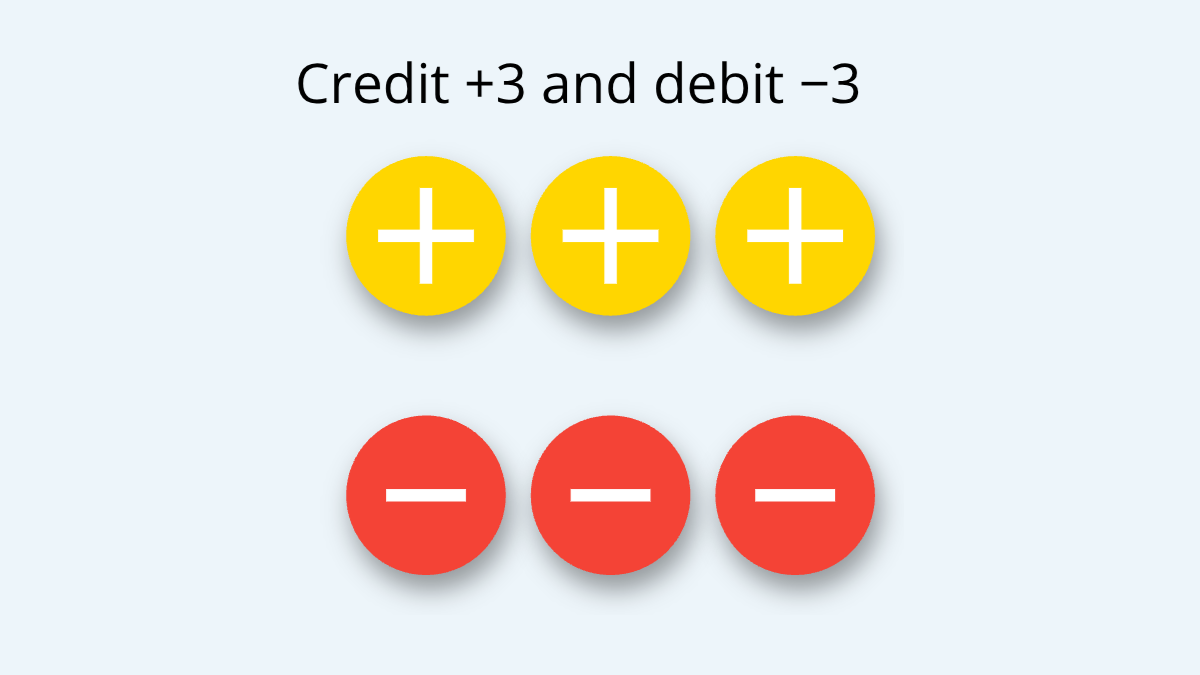
- Credits, Debits, and Integer Chips
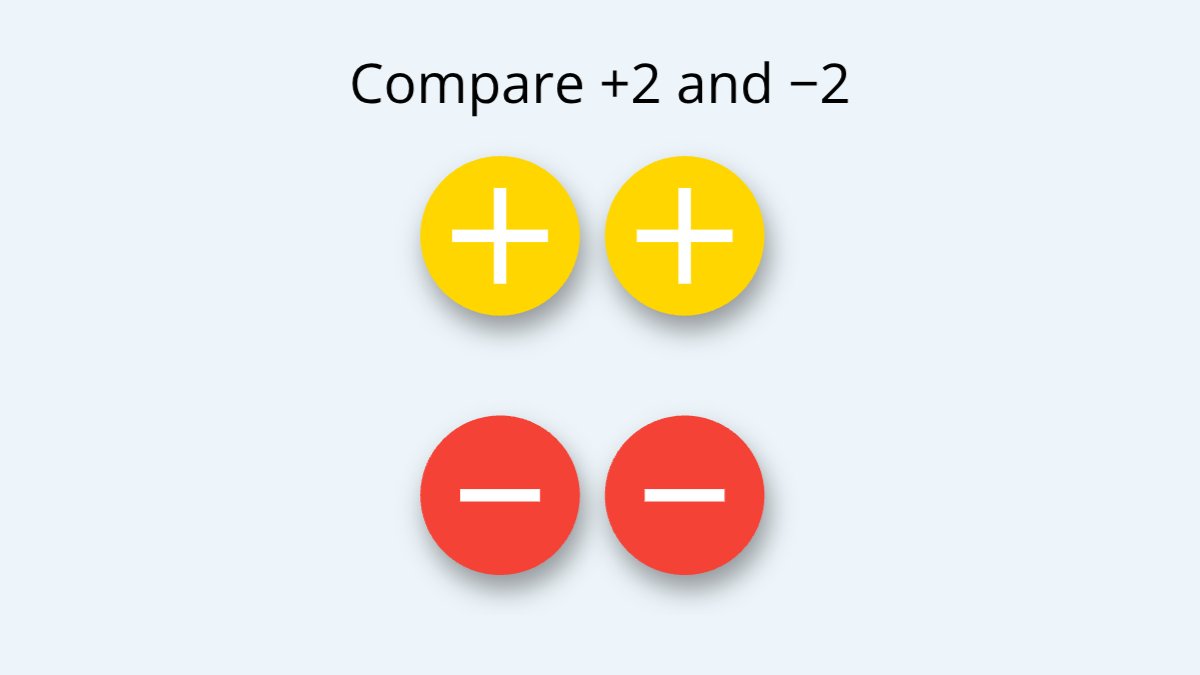
Students use positive and negative chips to model credits and debits and describe a balance as a signed number.
6.NS.C.5 - Opposite Chips Make Zero
Students pair one positive chip with one negative chip and explain why their total is zero.
6.NS.C.6
- Repeat a Ratio Pattern with Linking Cubes
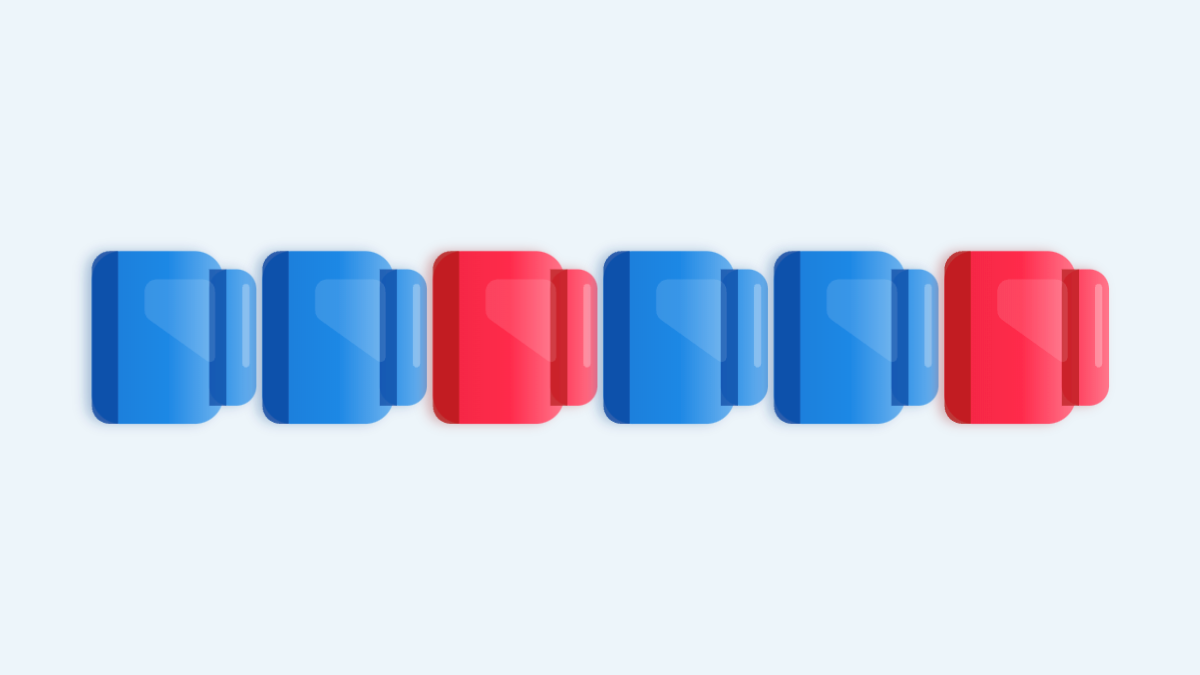
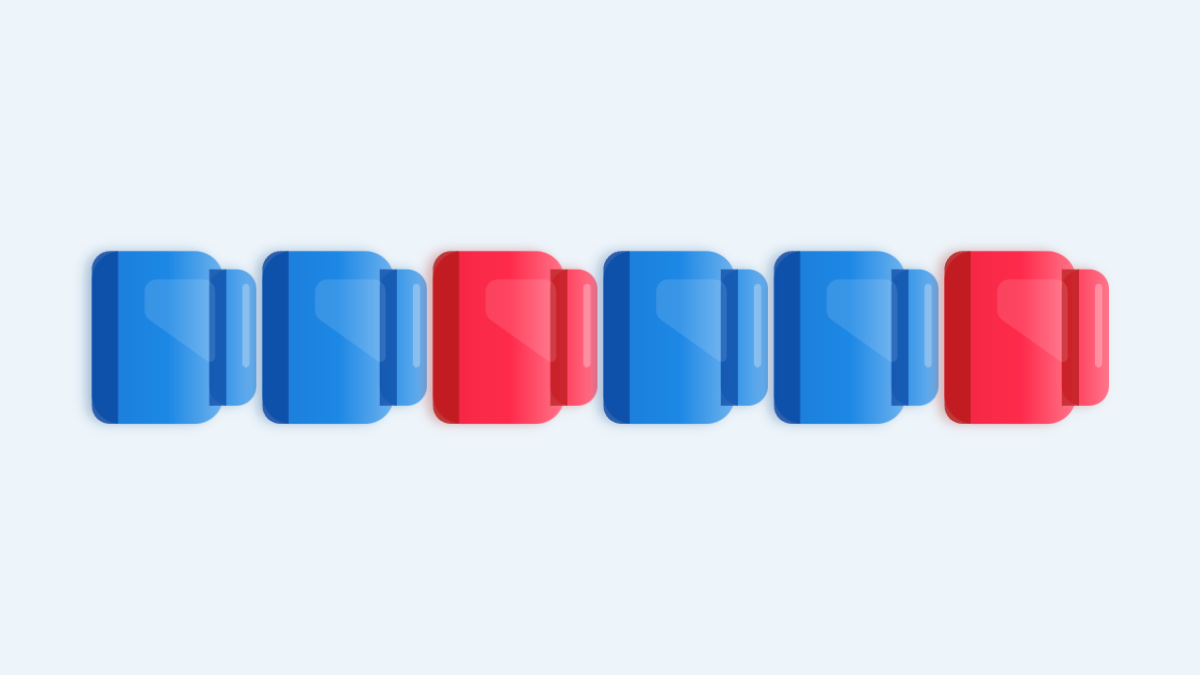
Students repeat a cube pattern and explain how each repeat makes an equivalent blue-to-red ratio.
6.RP.A.3
6th Grade Color Tiles Activities
Open Color Tiles →- Build Arrays to Find the Greatest Shared Factor
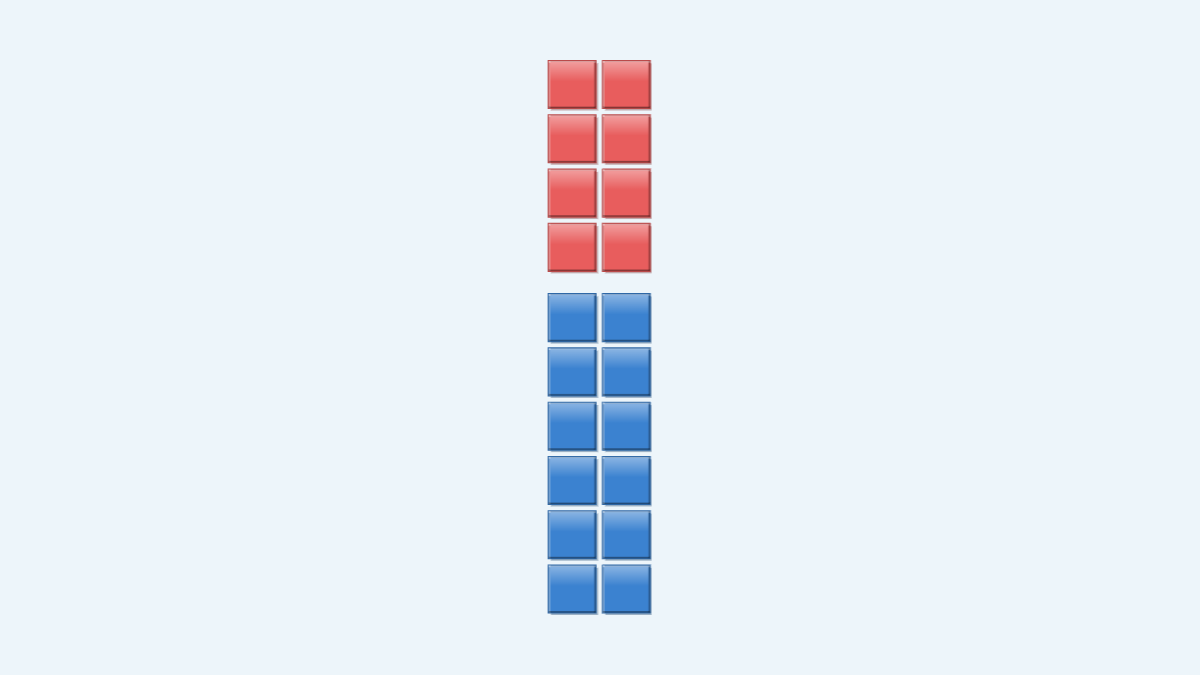
Students arrange two numbers of tiles in equal rows to find their greatest common factor.
6.NS.B.4
6th Grade Fraction Circles Activities
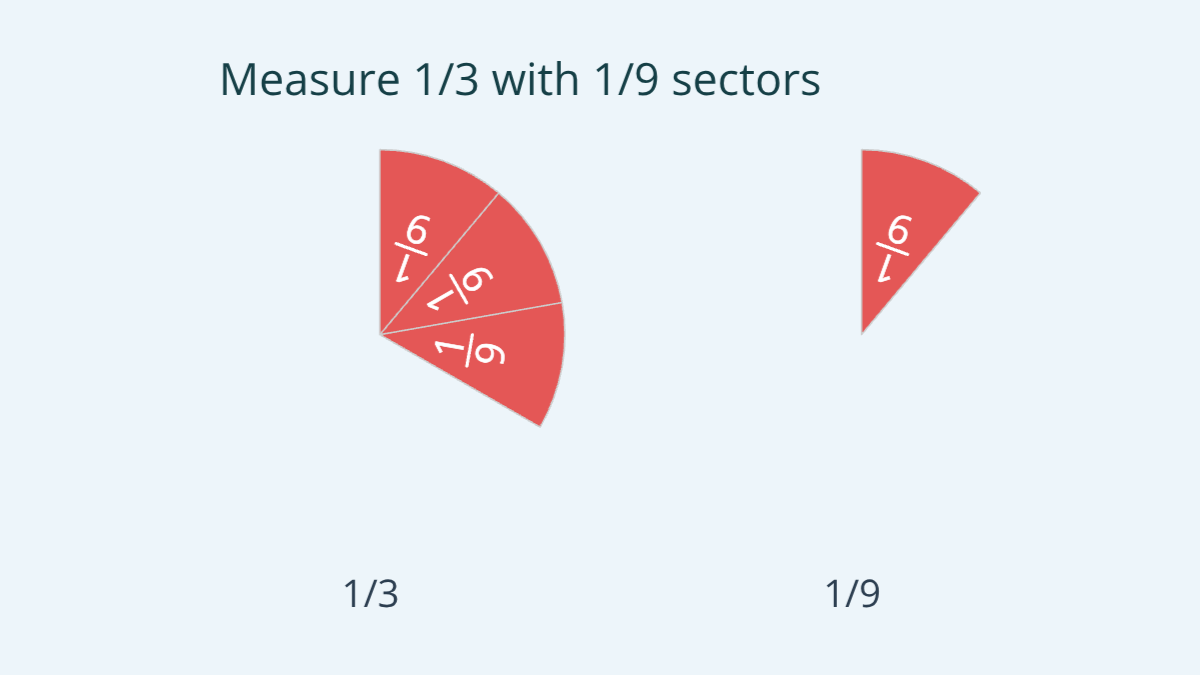
Open Fraction Circles →- How Many Sectors Fit?
Students use fraction circles to measure how many equal-sized sectors fit into a fraction, including partial sectors.
6.NS.A.1
6th Grade Geoboard Activities
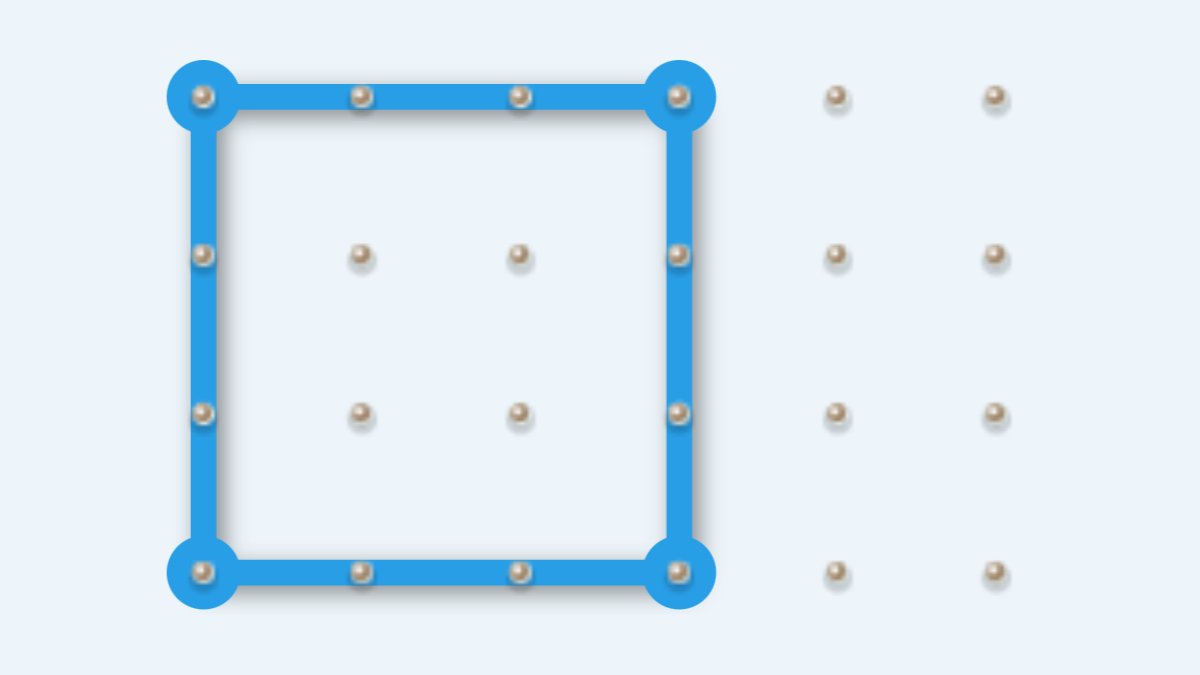
Open Geoboard →- Polygons on a Coordinate Geoboard
Students build polygons at given coordinates and find horizontal side lengths.
6.G.A.3
6th Grade Hundreds Chart Activities
Open Hundreds Chart →- Find the First Shared Multiple
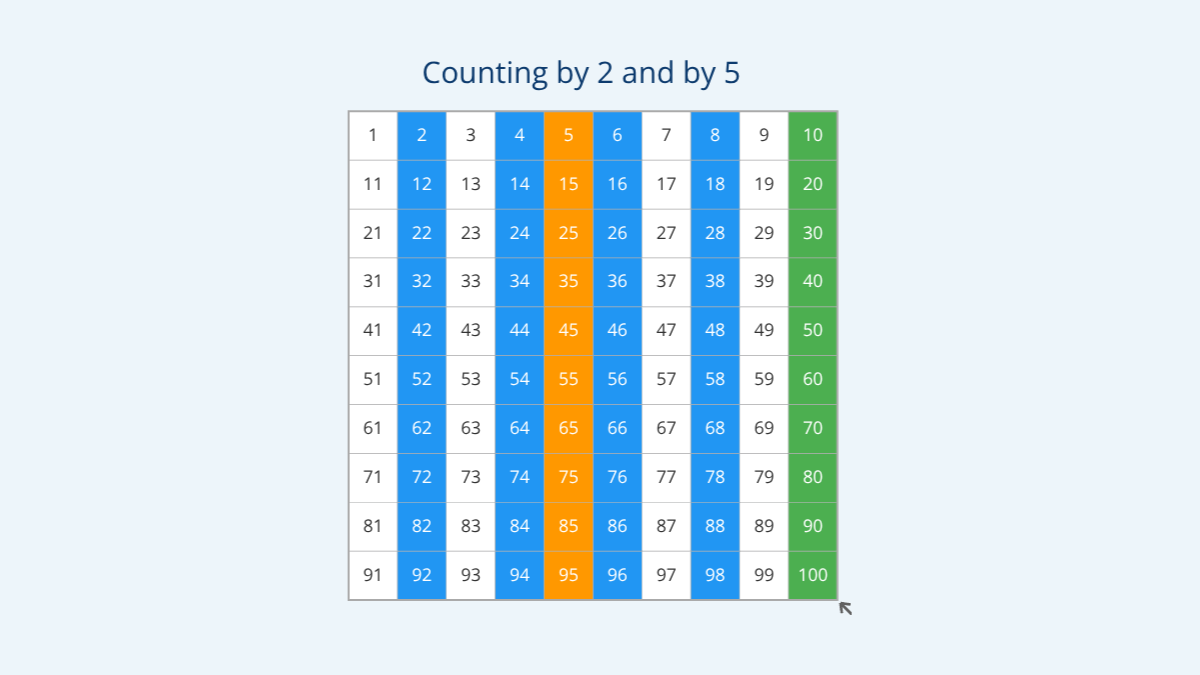
Students mark two multiple sequences on a hundreds chart and find their first overlap.
6.NS.B.4