4th Grade Math Activities
56 free 4th grade lessons, each built around a virtual manipulative that students use right in the browser. There is no login or download. Pick a topic or math tool below, or browse by Common Core standard.
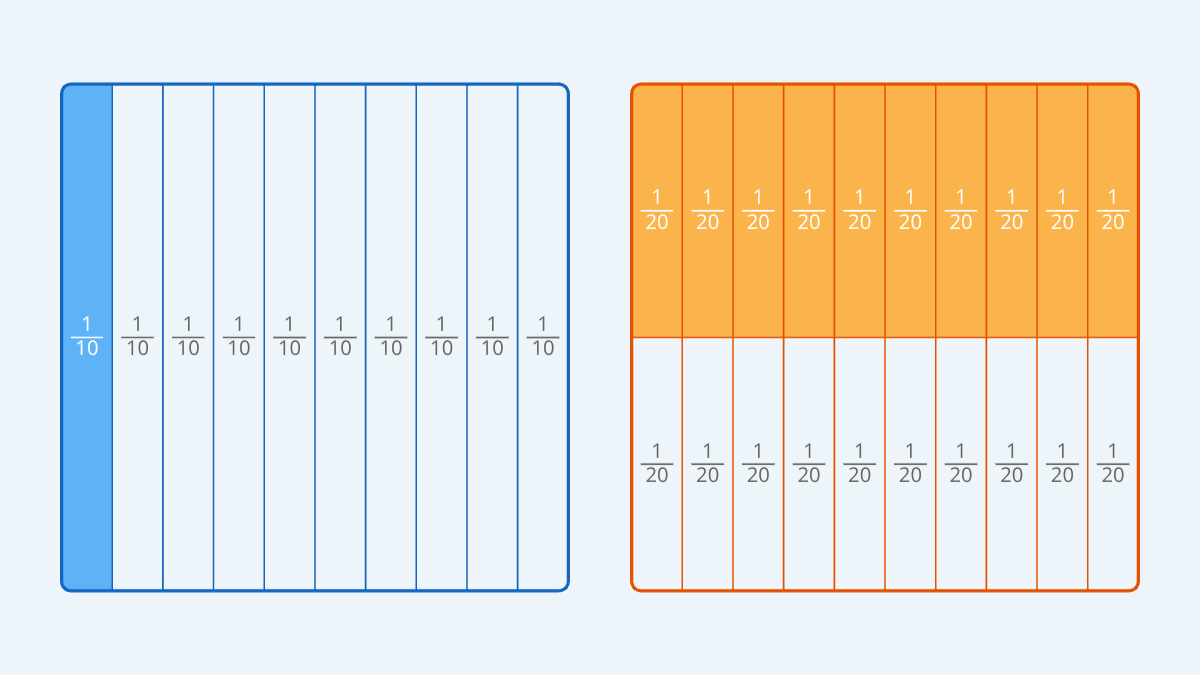
- Add Tenths and Hundredths
Students repartition a tenth into hundredths and use two grids to add tenths and hundredths.
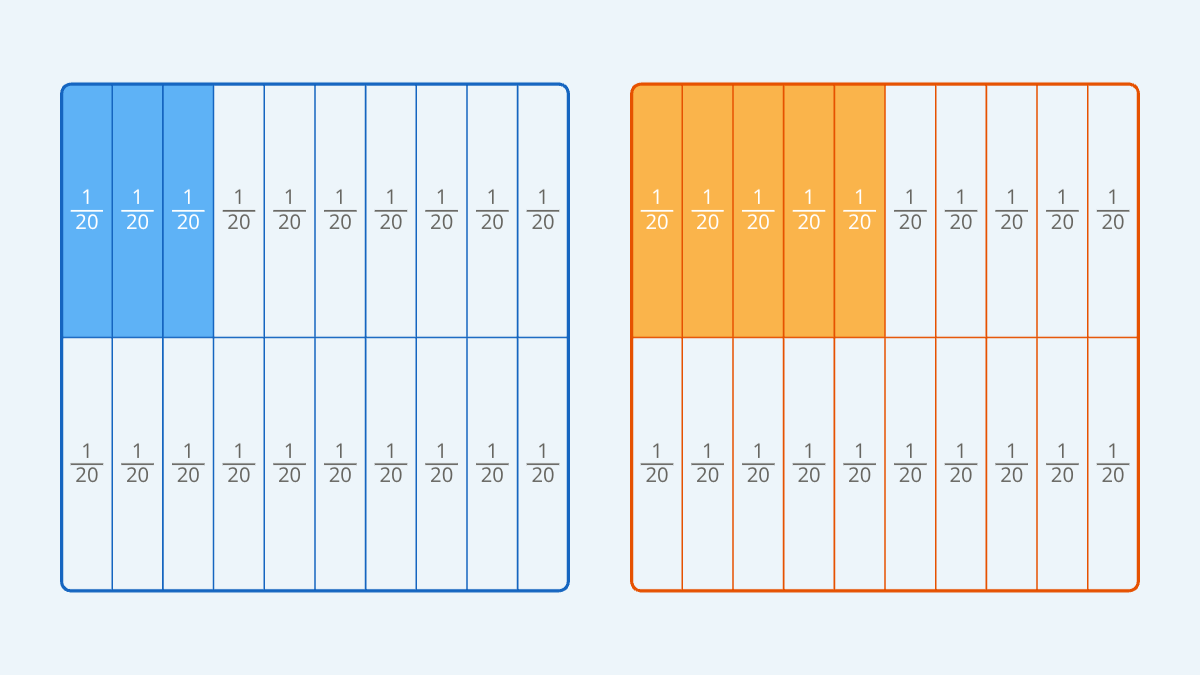
4.NF.C.5 - Compare Shaded Hundredths Rectangles
Students compare two shaded rectangles that show hundredths of the same whole.
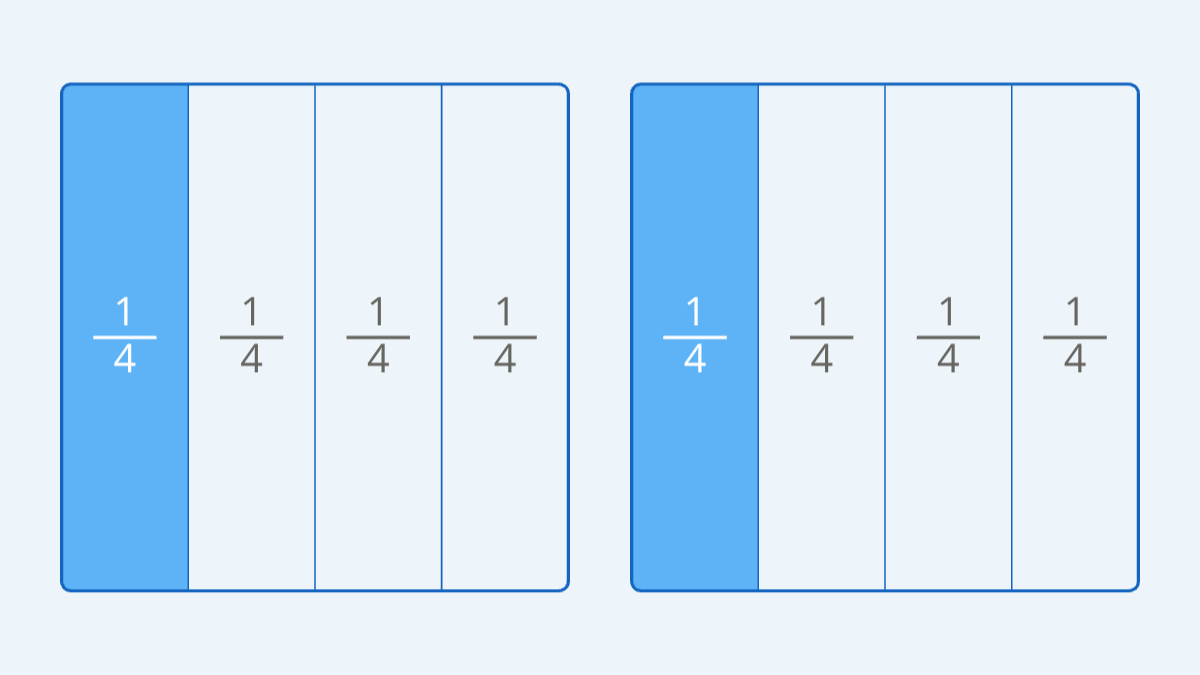
4.NF.C.7 - Copies of a Fraction
Students use fraction bars to model several copies of the same fraction and find their total.
4.NF.B.4 - One Half, Different Names
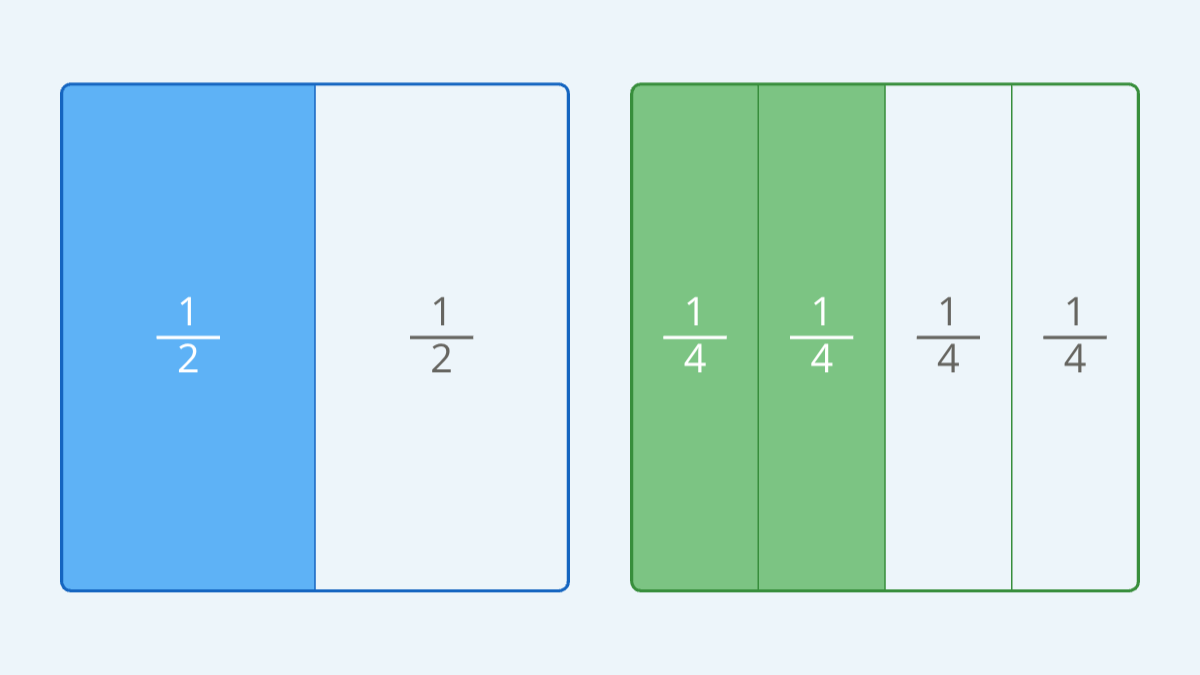
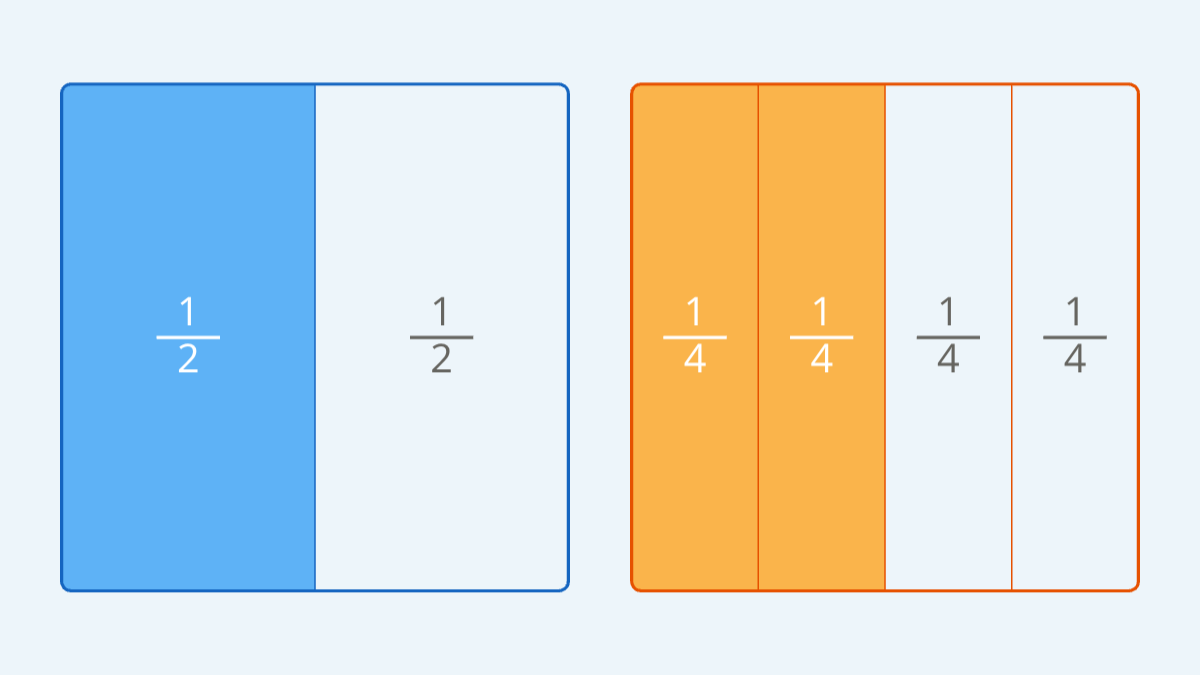
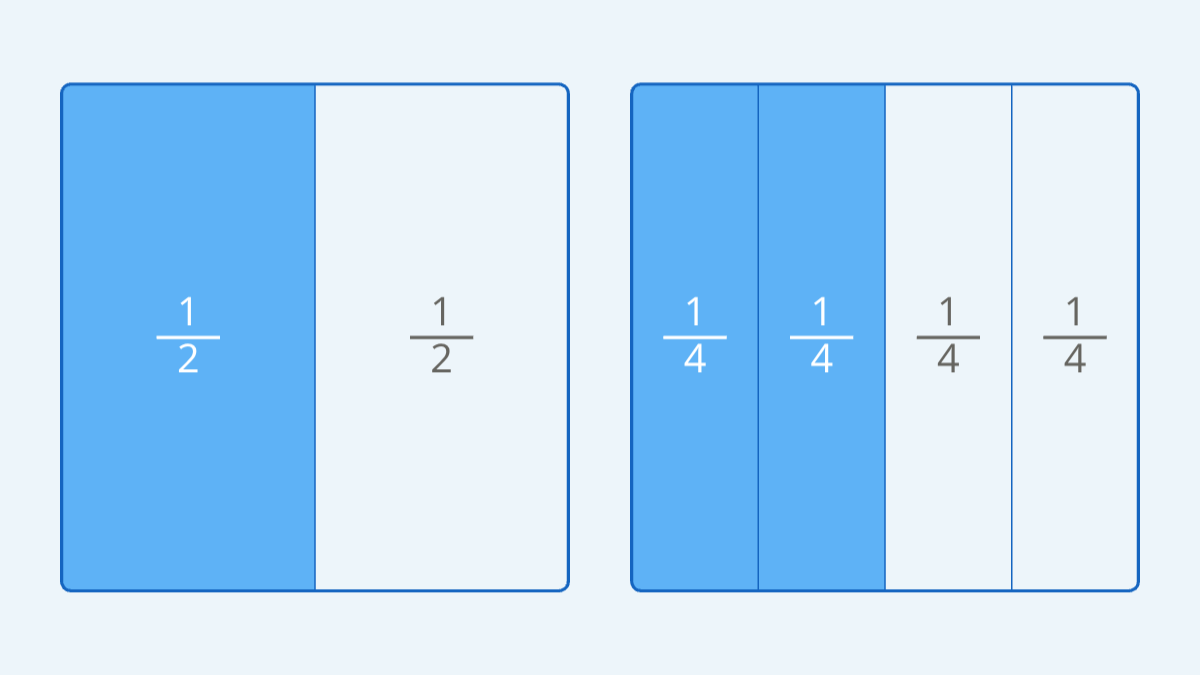
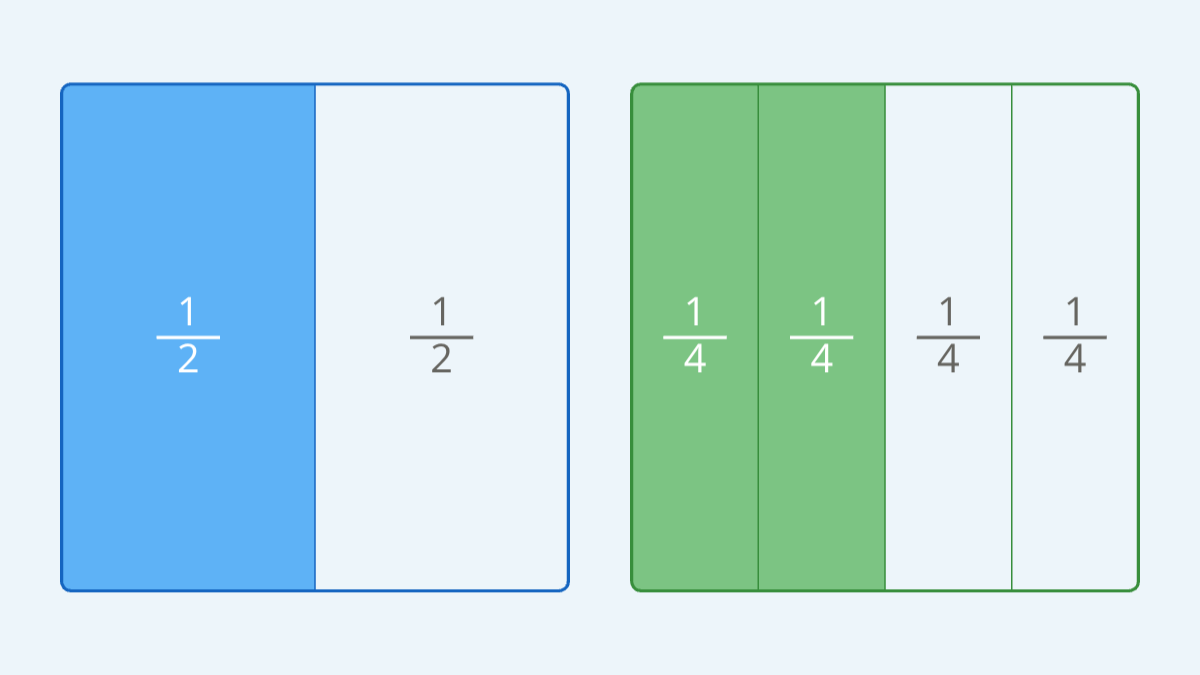
Students use same-size fraction bars to show that 1/2 equals 2/4 and 5/10.
4.NF.A.1 - One Half, Three Ways
Students use same-size fraction bars to show that 1/2, 2/4, and 5/10 have the same value.
4.NF.A.1 - Same Amount, Different Cells
Students use fraction bars to show why equal shaded areas can have different cell counts.
4.NF.A.1 - Same Area, Different Parts
Students use fraction bars to show why equal shaded areas can have different numbers of shaded parts.
4.NF.A.1 - Tenths on a Hundredths Grid
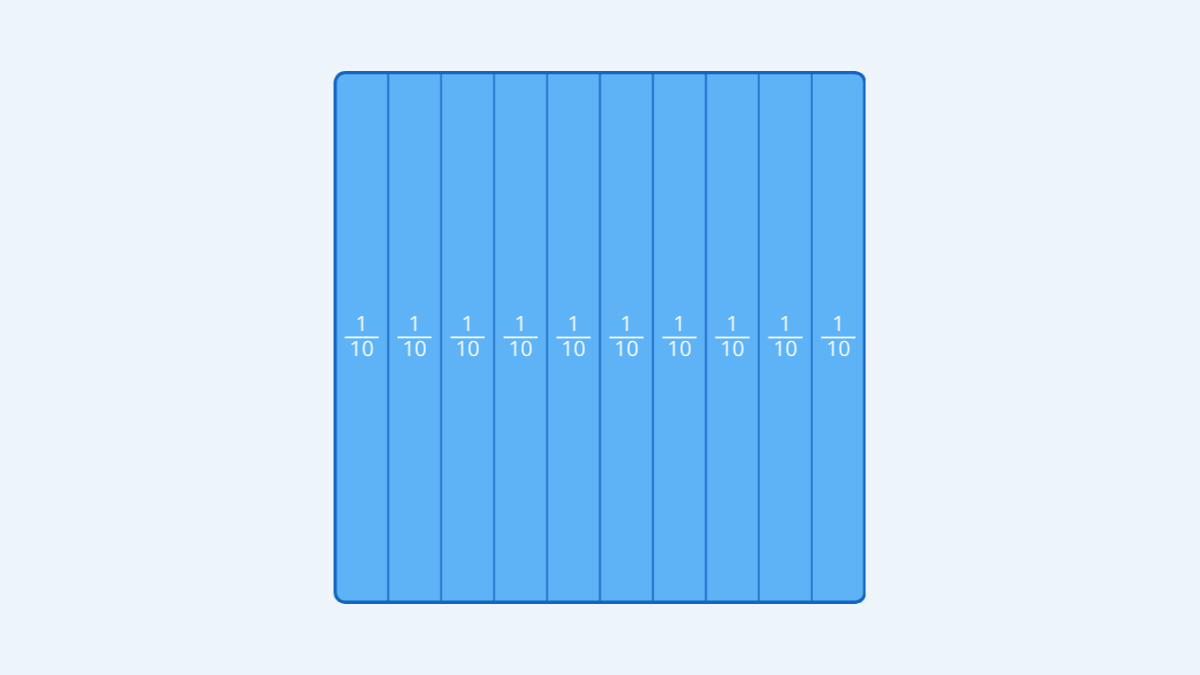
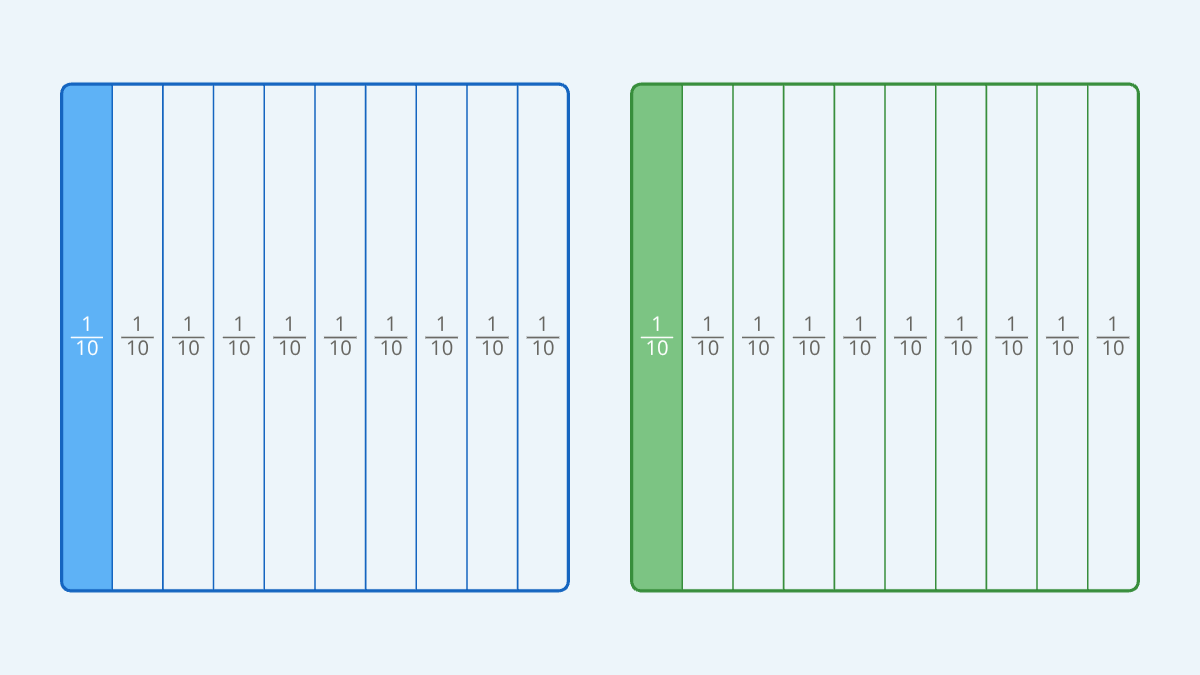
Students repartition a tenth into hundredths without changing its value.
4.NF.C.5
- A Flat, a Rod, and a Unit
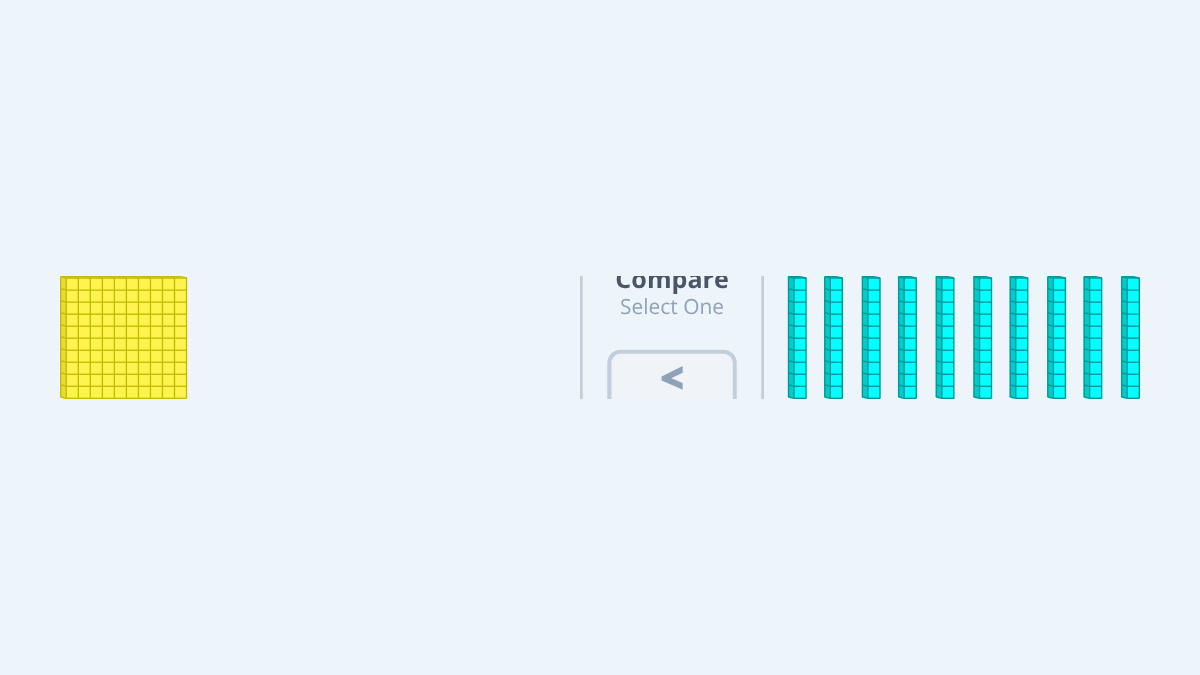
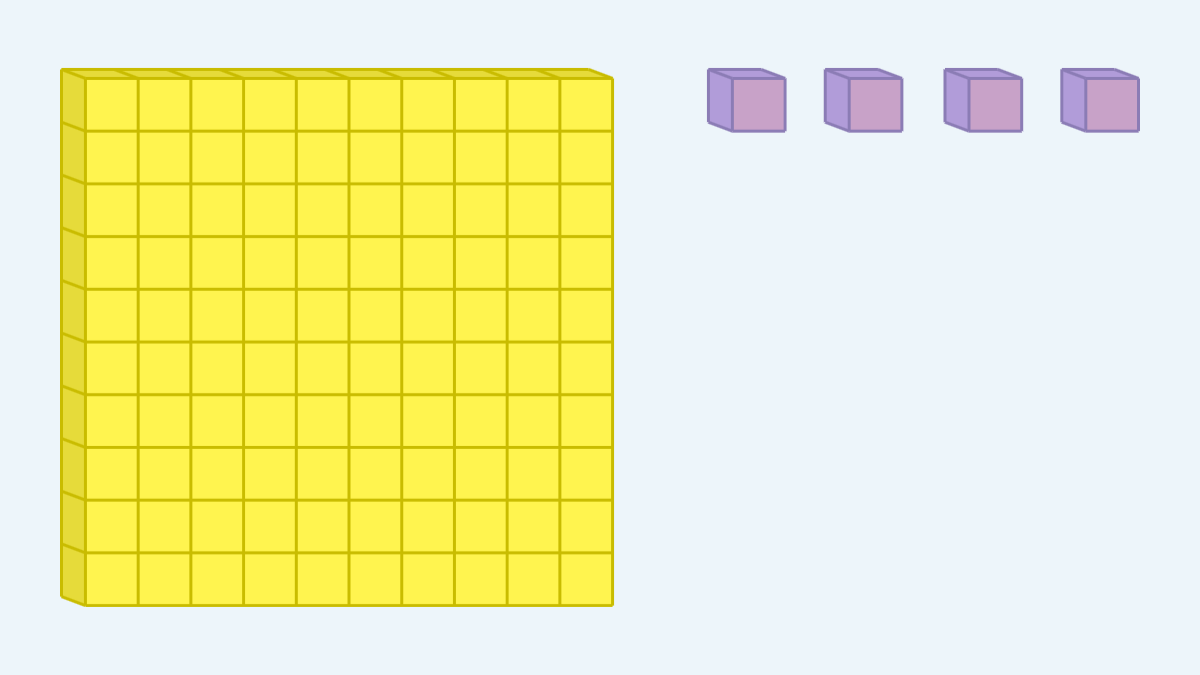
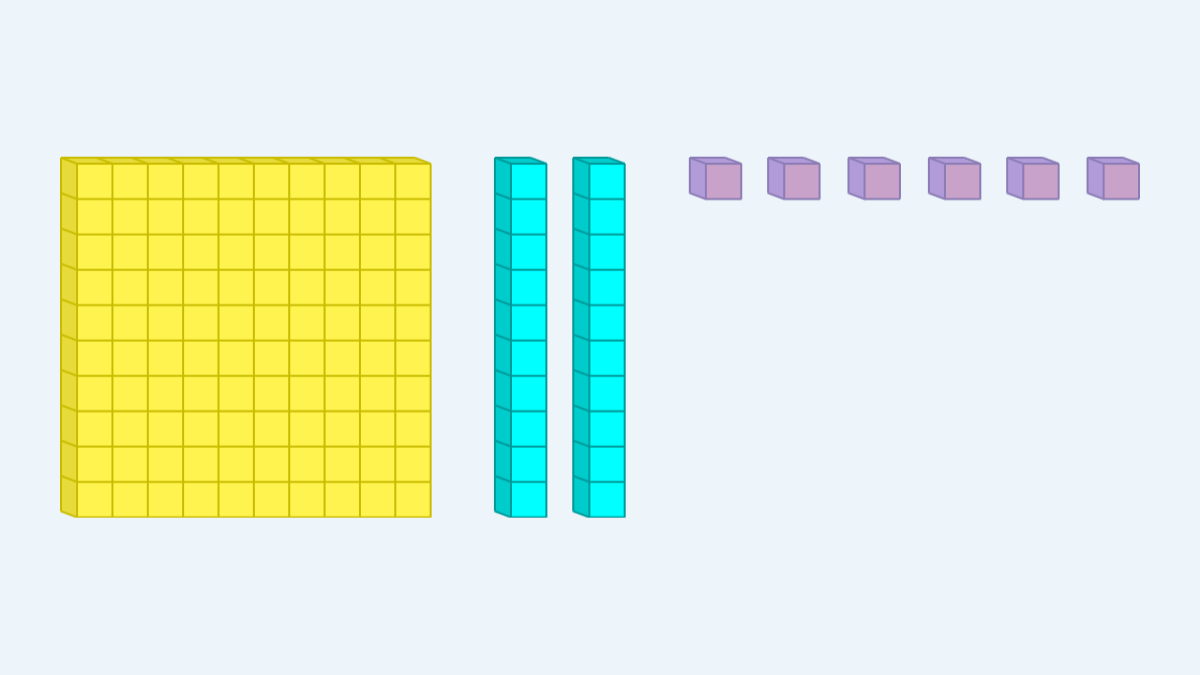
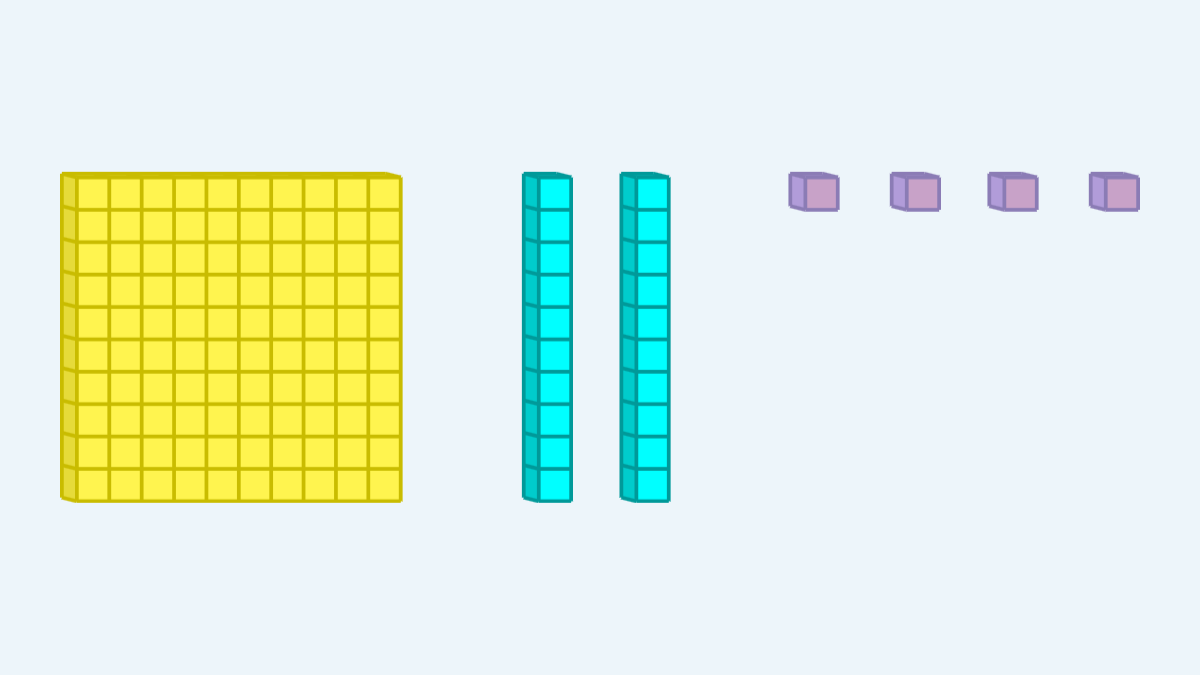
Students use a flat as one whole to show that a rod is 0.1 and a unit is 0.01.
4.NF.C.6 - Build a Product from Place-Value Parts
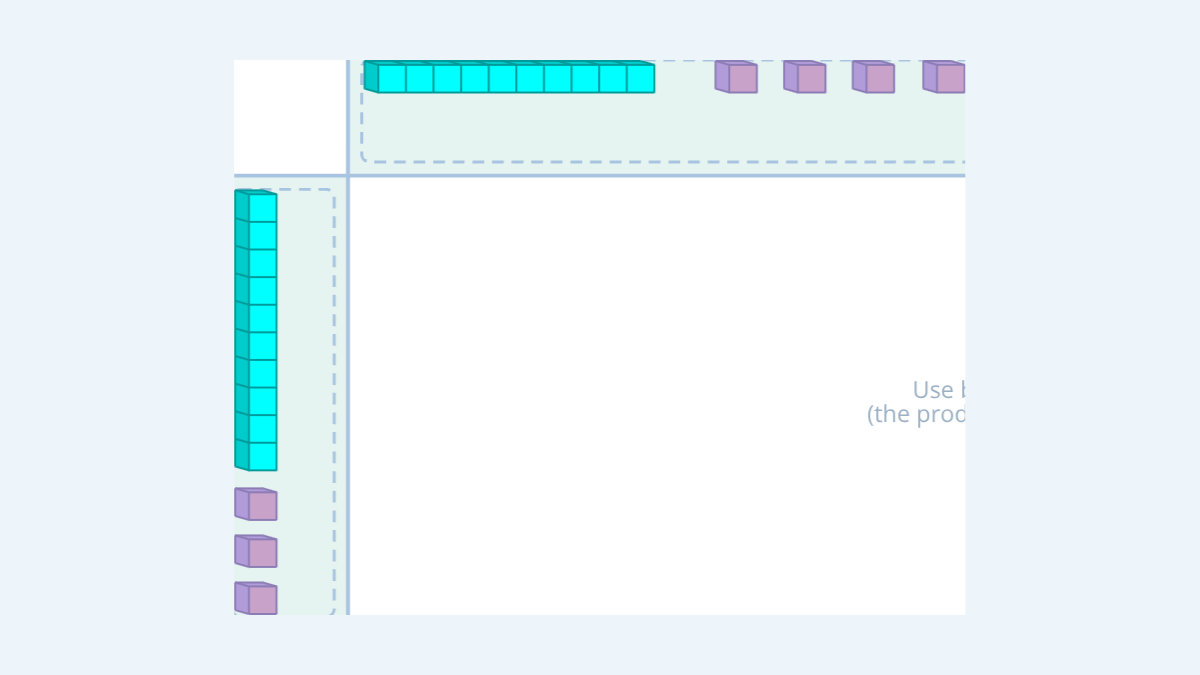
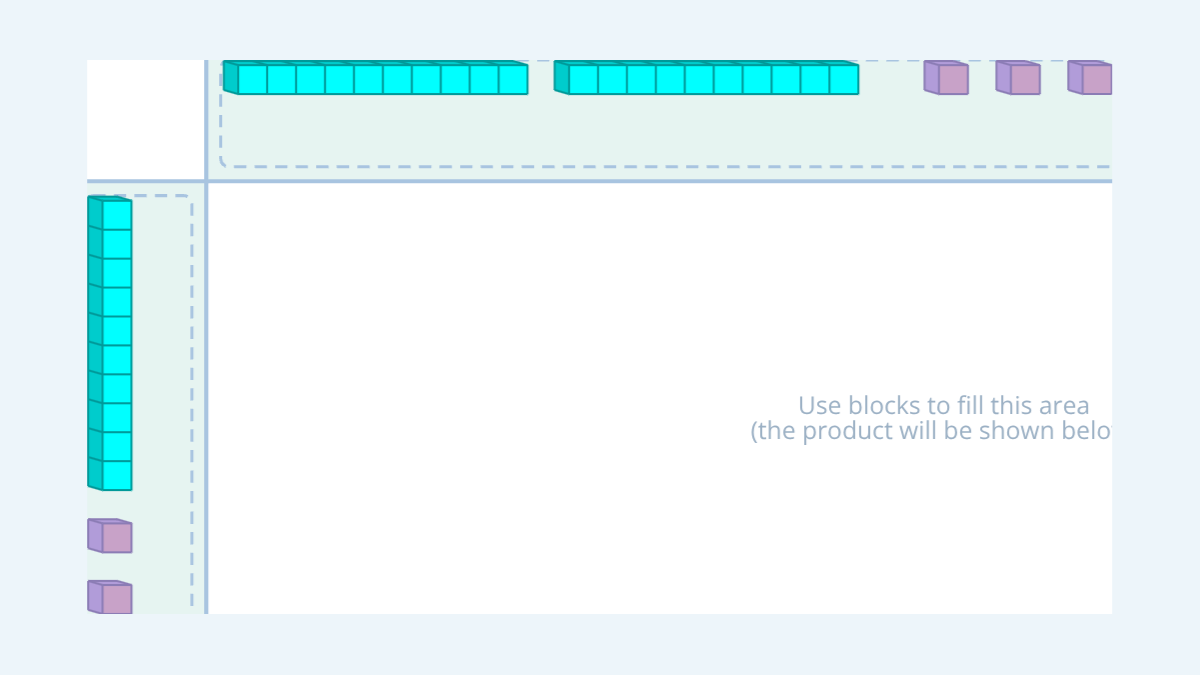
Students split two lengths into tens and ones, build the products of their parts, and combine them to find the full product.
4.NBT.B.5 - Share Equally and Find a Remainder
Students exchange blocks to share a number equally and show a remainder.
4.NBT.B.6 - Share Multi-Digit Numbers with Base-Ten Blocks
Students use place-value blocks to share a multi-digit number equally and describe any remainder.
4.NBT.B.6 - Share with Base-Ten Blocks
Students share a multi-digit number into two equal groups and identify any remainder.
4.NBT.B.6 - Ten for One
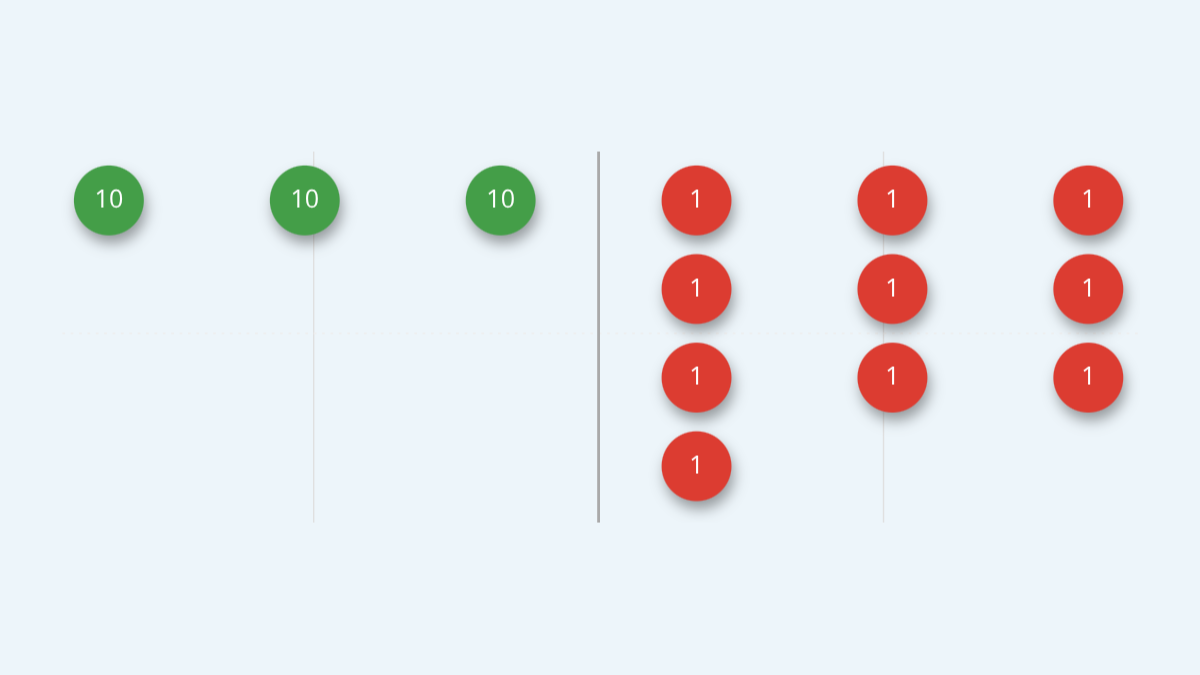
Students exchange ten blocks in one place for one block in the next place and explain why the value stays the same.
4.NBT.A.1
- A Shape Pattern That Starts Again
Students use a number rule to make a repeating Numicon shape pattern and describe something else they notice about it.
4.OA.C.5 - Compare Fractions with the Same Whole
Students use equal-size holes in matching 10-hole wholes to compare fractions and explain equivalent fractions.
4.NF.A.1 - Equal Parts of the Same Eight-Hole Whole
Students use equal groups of holes to show repeated fractional parts of the same collection of eight.
4.NF.B.4 - Find Divisors of 12 with Numicon
Students use identical Numicon shapes to show which numbers divide 12 evenly.
4.OA.B.4 - Find Divisors with Matching Numicon Shapes
Students use identical Numicon shapes to show when a number divides another number with no holes left over.
4.OA.B.4 - Same Whole, Different Fraction Names
Students use Numicon shapes to compare parts of the same whole and explain why 1/2 and 2/4 are equal.
4.NF.A.1 - Turn a Number Rule into a Shape Pattern
Students use a number rule to make a repeating Numicon shape pattern and describe a feature the rule does not name.
4.OA.C.5
- Build and Write Expanded Form
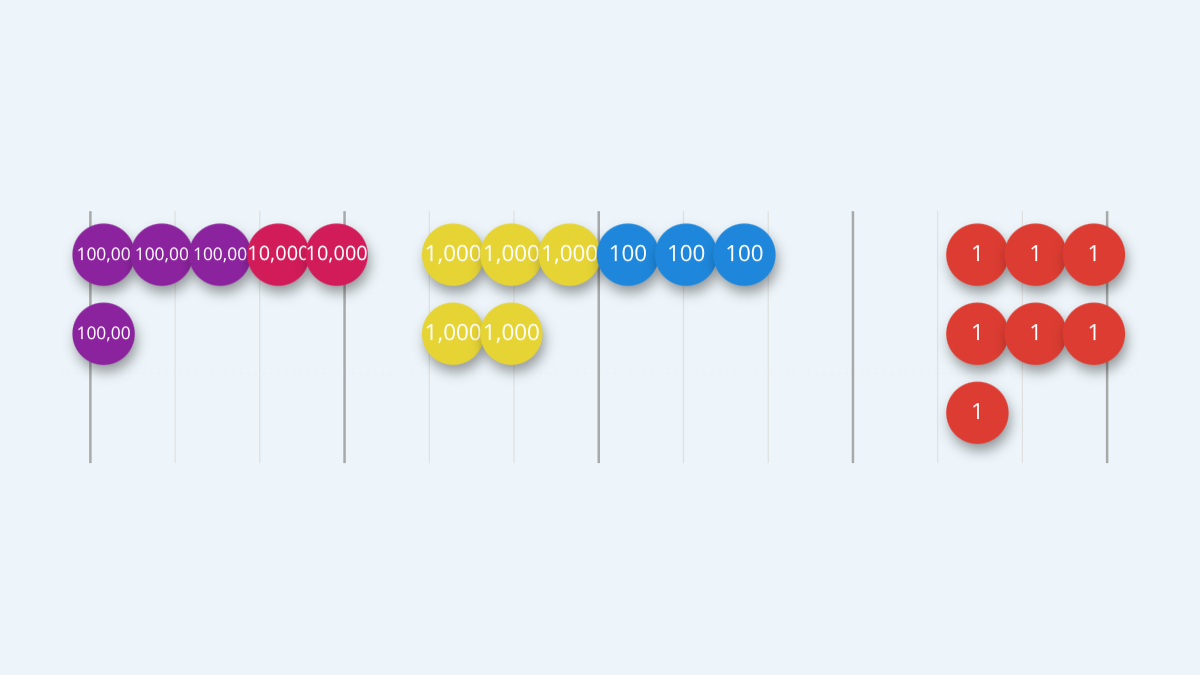
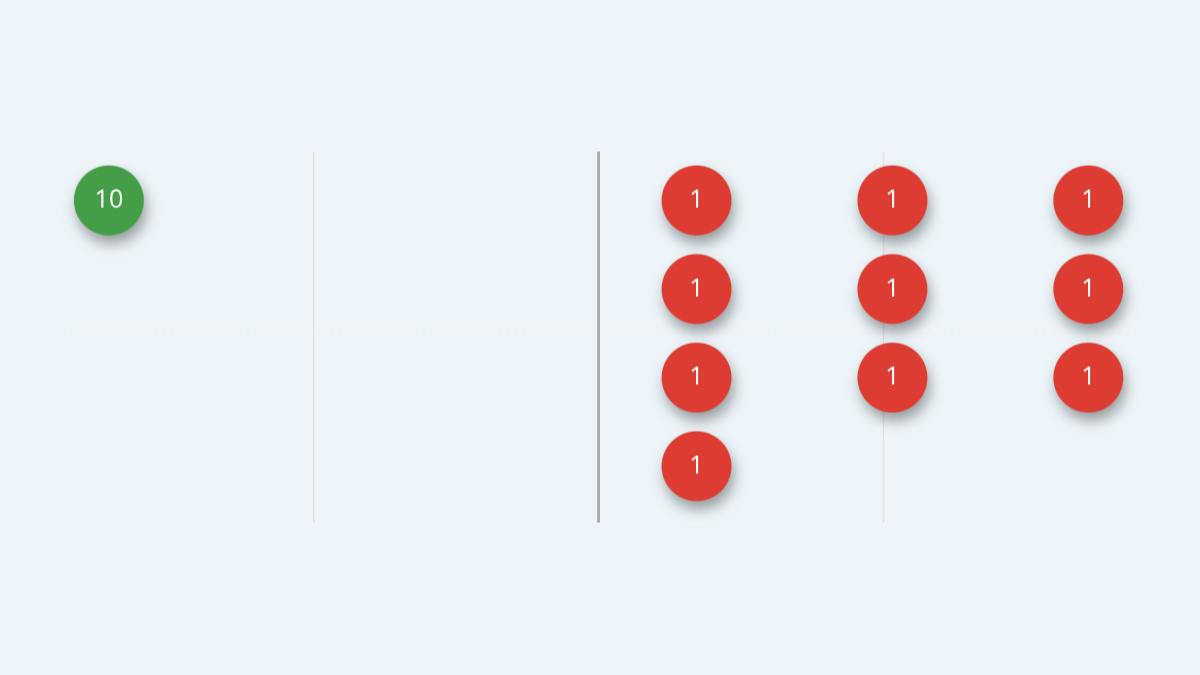
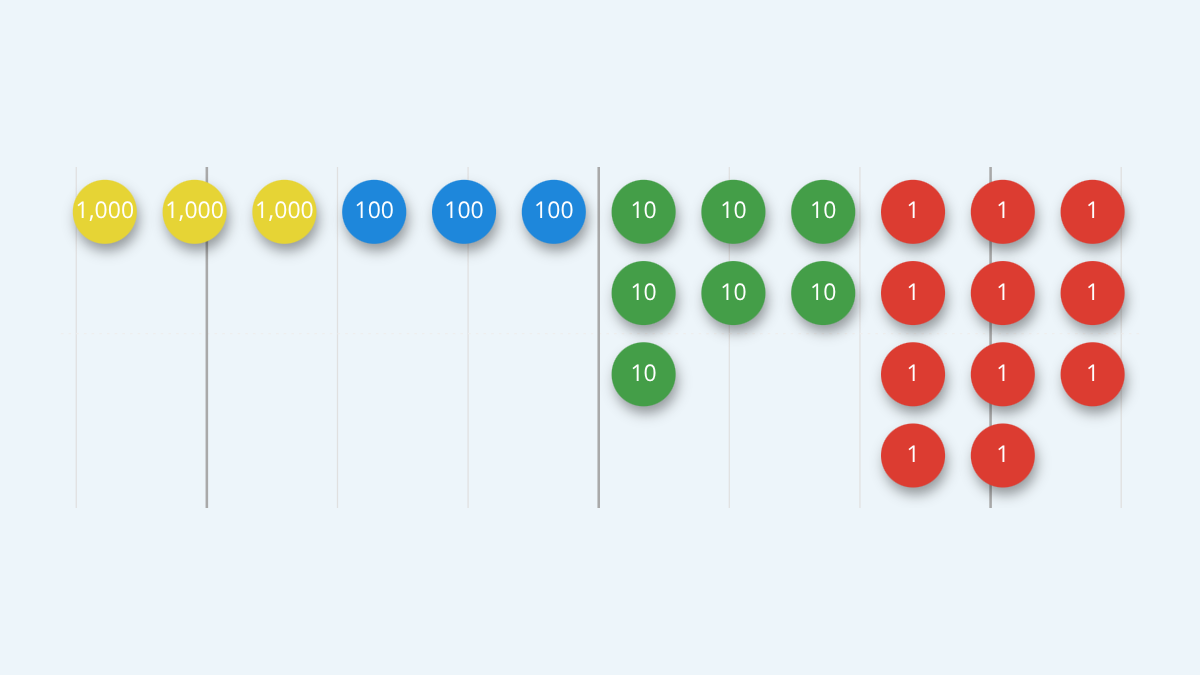
Students model a large whole number with Value Disks and write it in expanded form.
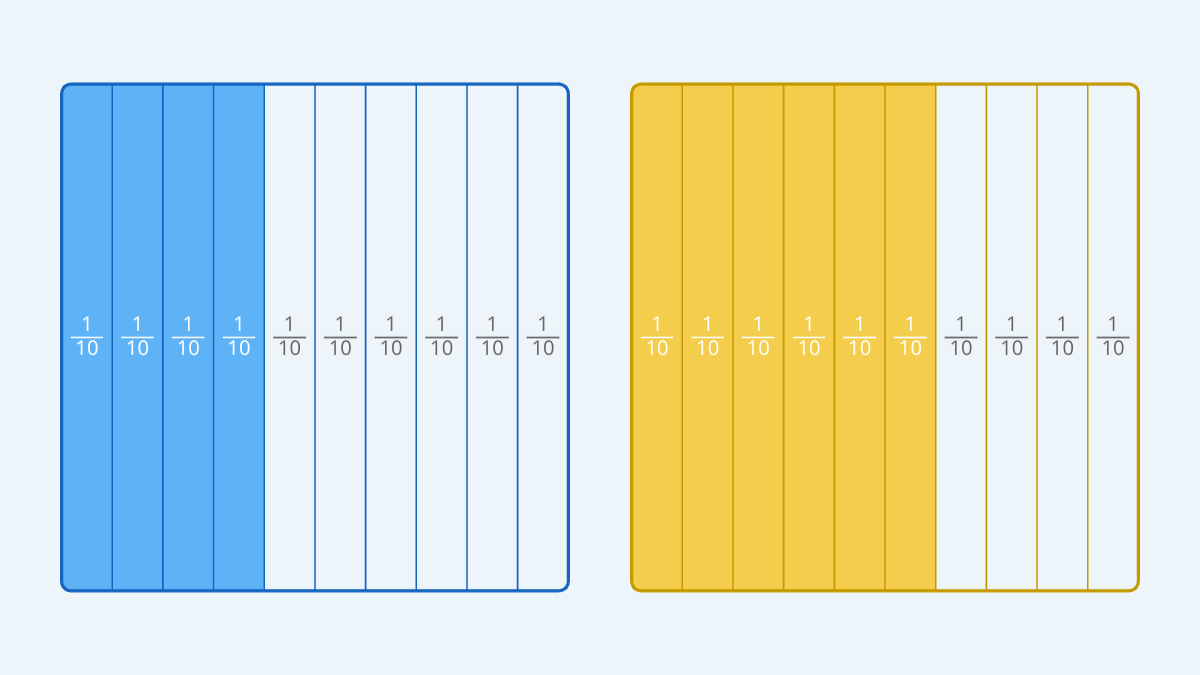
4.NBT.A.2 - Comparing Tenths and Hundredths
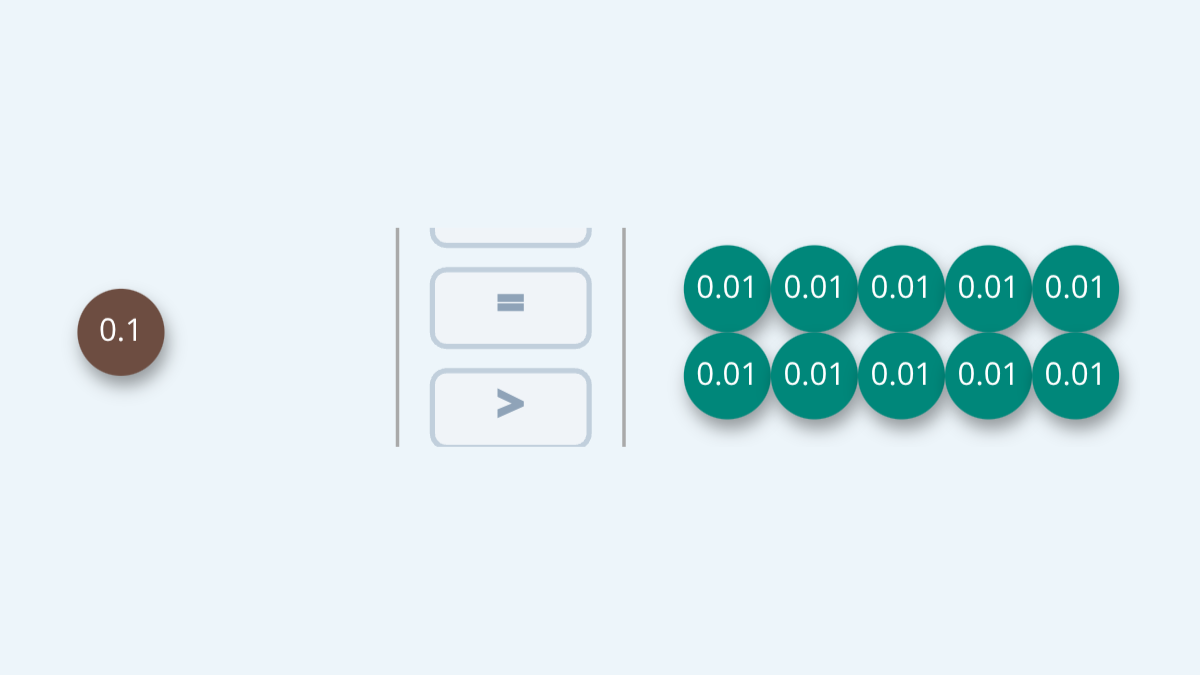
Students use value disks to compare tenths and hundredths that refer to the same whole.
4.NF.C.7 - Model Large Numbers in Expanded Form
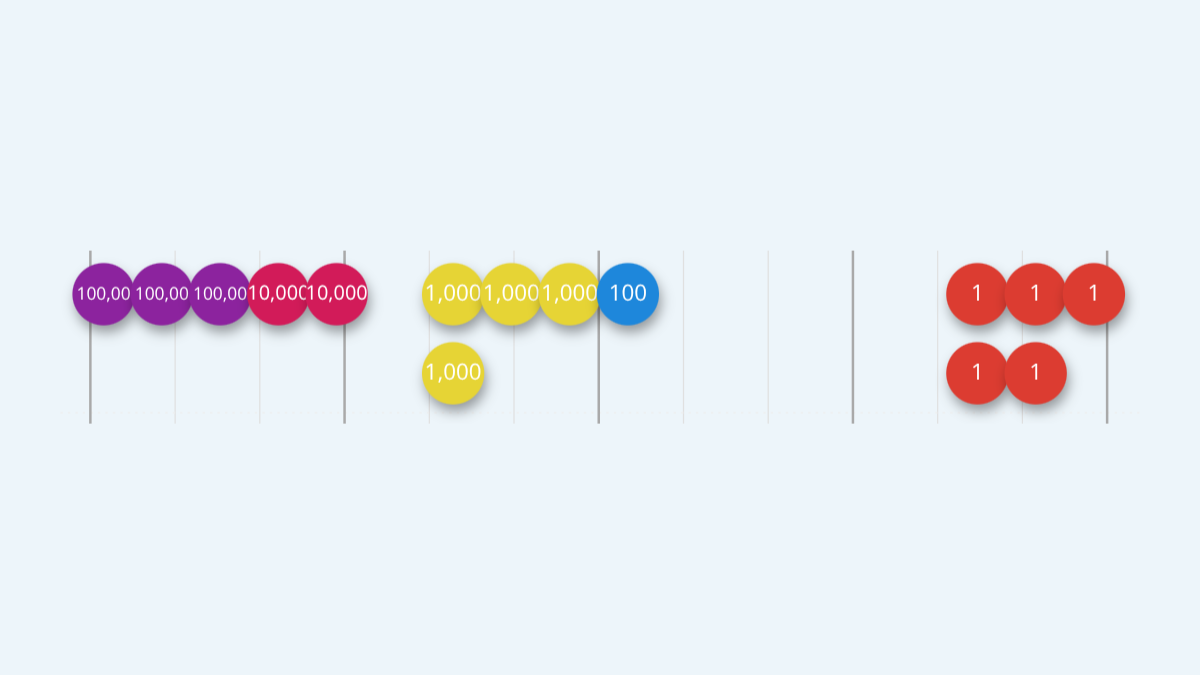
Students use value disks to model a large whole number and write its expanded form.
4.NBT.A.2 - Ten Times the Place to the Right
Students show with value disks that a place is worth ten times the place immediately to its right.
4.NBT.A.1 - Why We Carry and Borrow
Students use value-disk exchanges to explain carrying in addition and borrowing in subtraction.
4.NBT.B.4
- Adding and Subtracting Measurements on Line Plots
Students use a line plot to add and subtract measurements in halves, fourths, and eighths.
4.MD.B.4 - Measure and Plot in Halves, Fourths, and Eighths
Students plot measurements in halves, fourths, and eighths on a line plot.
4.MD.B.4 - Plot Ribbon Measurements in Halves, Fourths, and Eighths
Students plot measurements in halves, fourths, and eighths on a line plot.
4.MD.B.4 - Plotting Lengths in Halves, Fourths, and Eighths
Students plot measurement data in halves, fourths, and eighths on a line plot.
4.MD.B.4 - Ribbon Lengths on a Line Plot
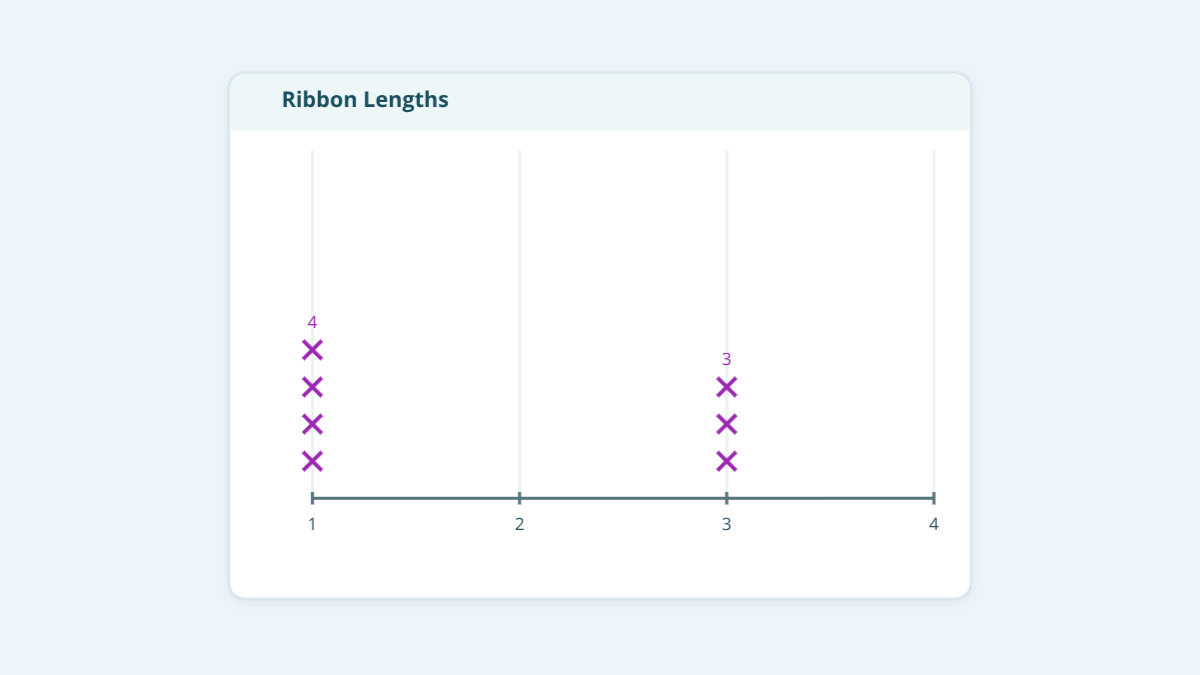
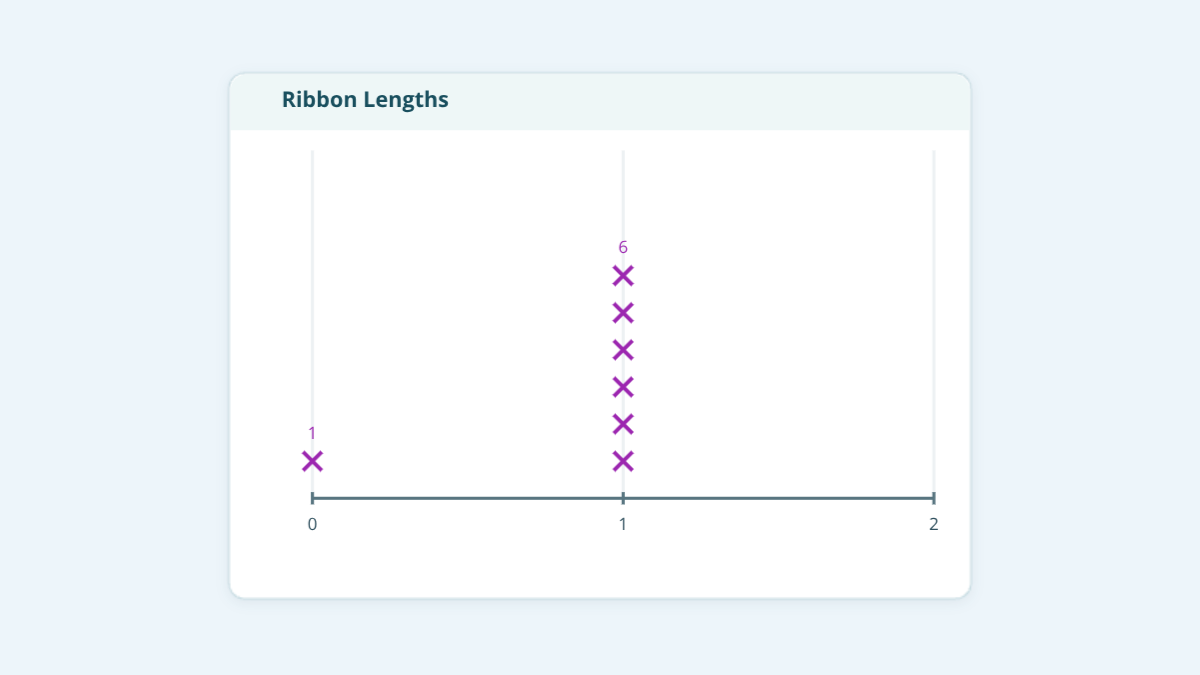
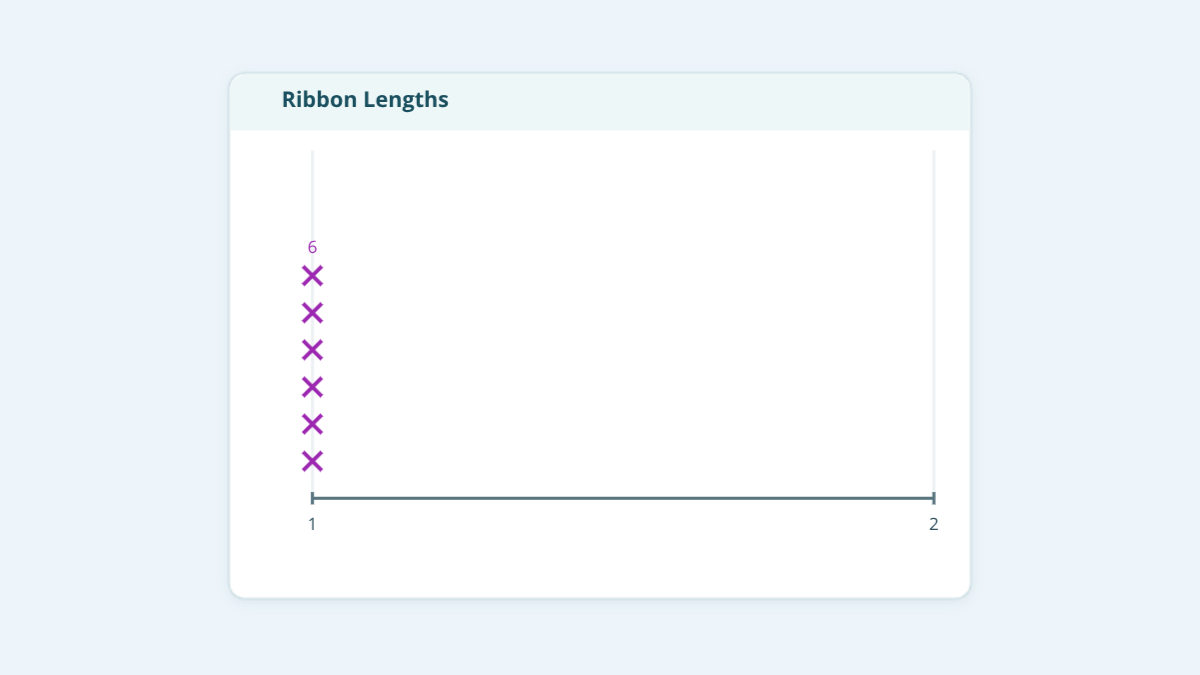
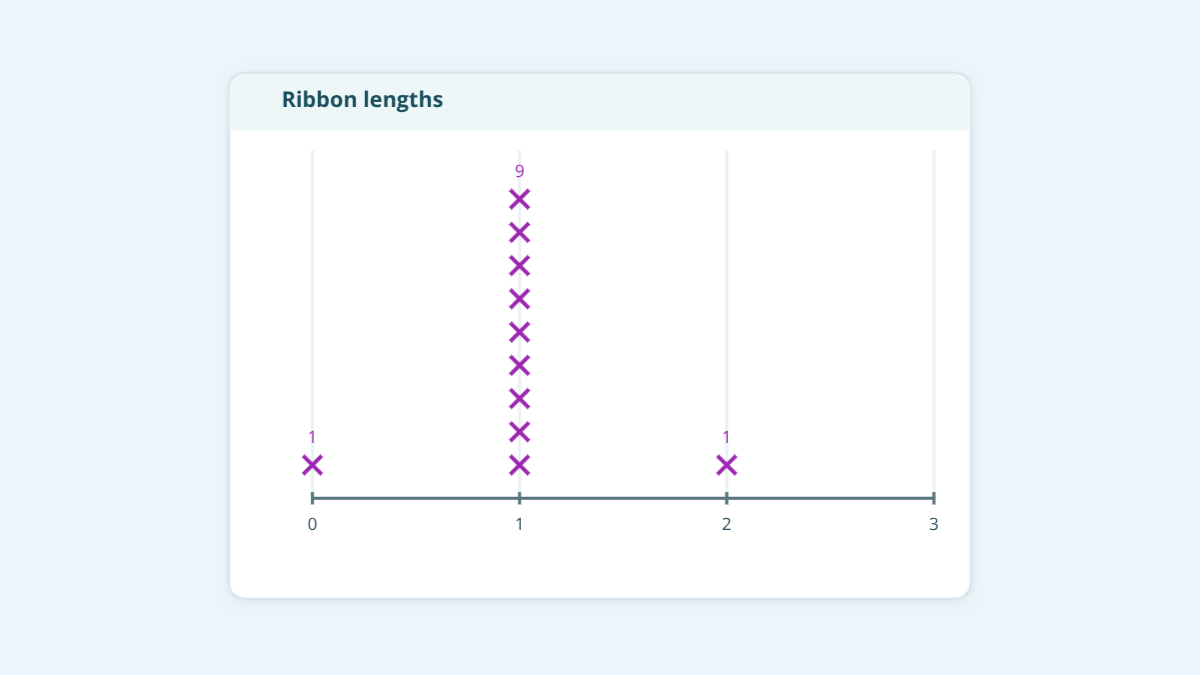
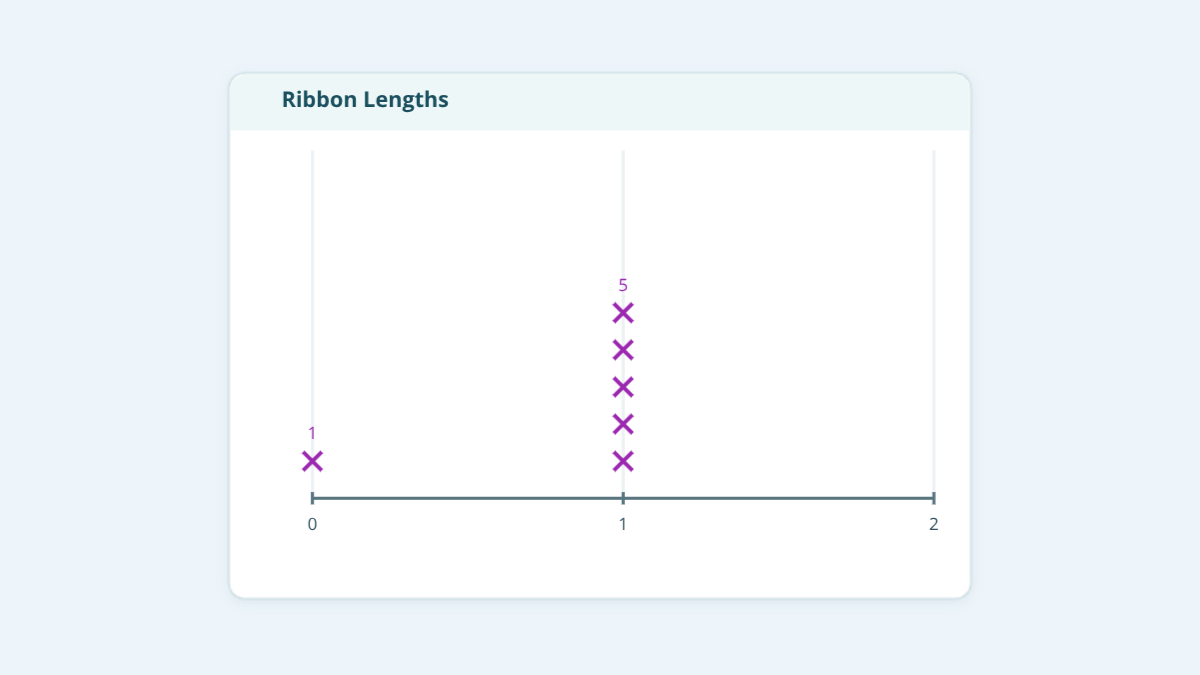
Students use a line plot of ribbon lengths to add and subtract fractions of an inch.
4.MD.B.4
- How Segments Meet
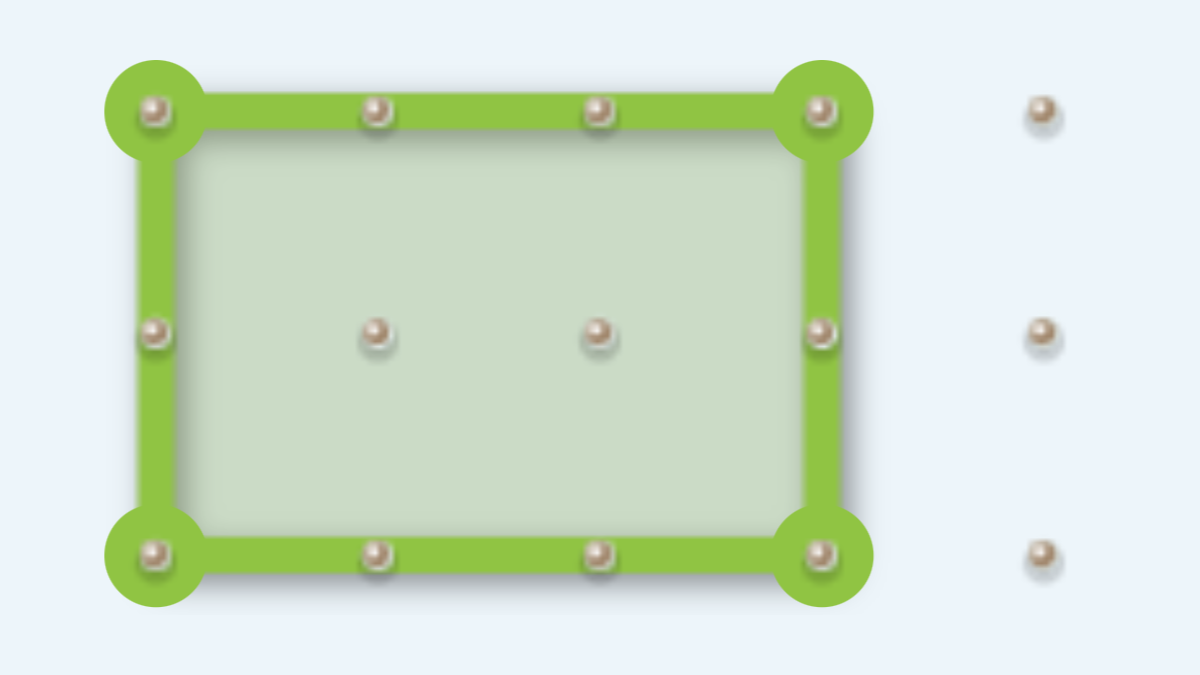
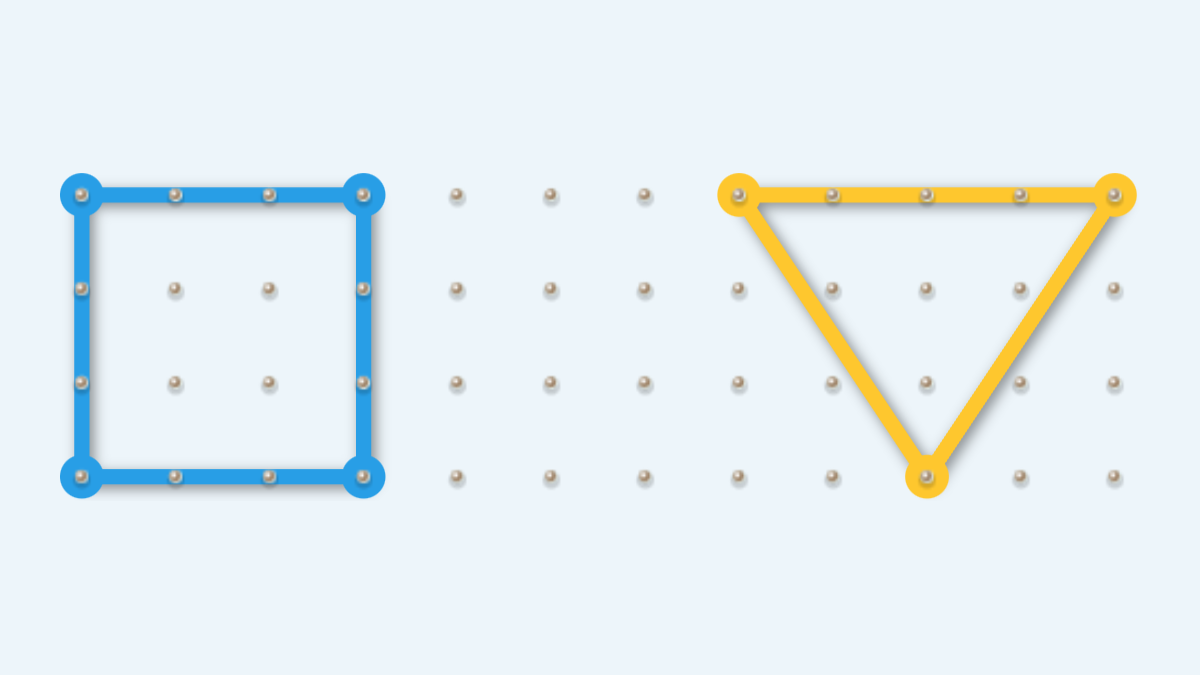
Students create parallel, perpendicular, and intersecting line segments on a geoboard.
4.G.A.1 - Parallel Sides and Right Angles
Students identify parallel sides and right angles in shapes, including right triangles.
4.G.A.2
- Same Length, More Pieces
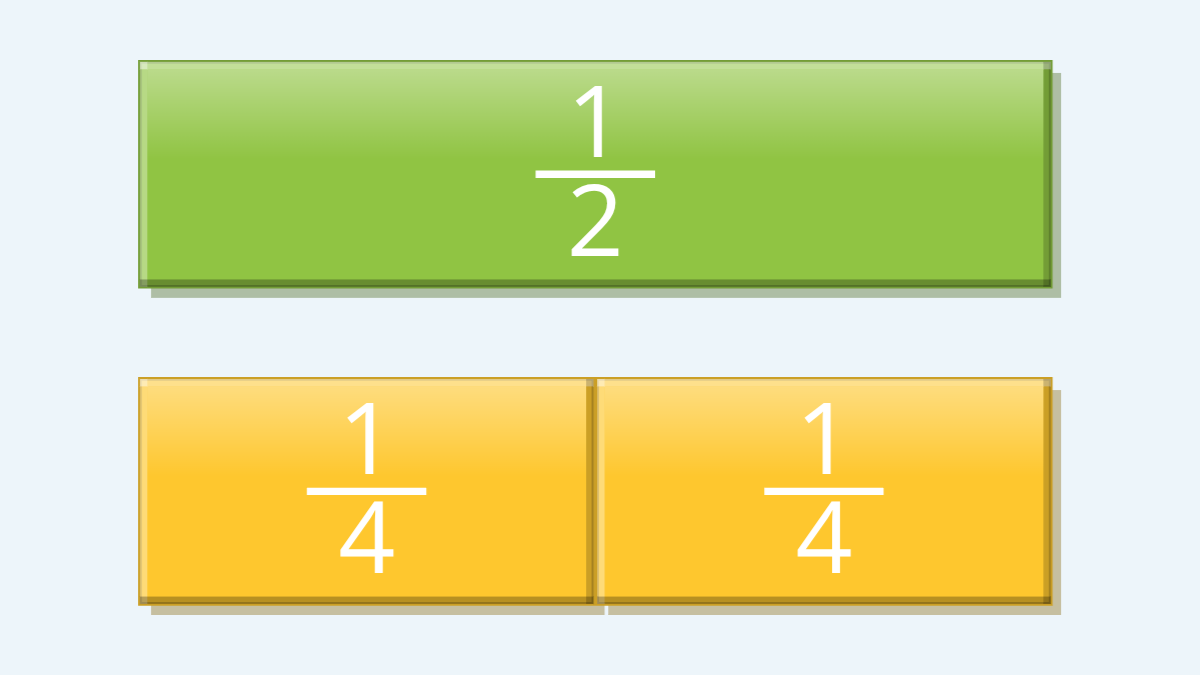
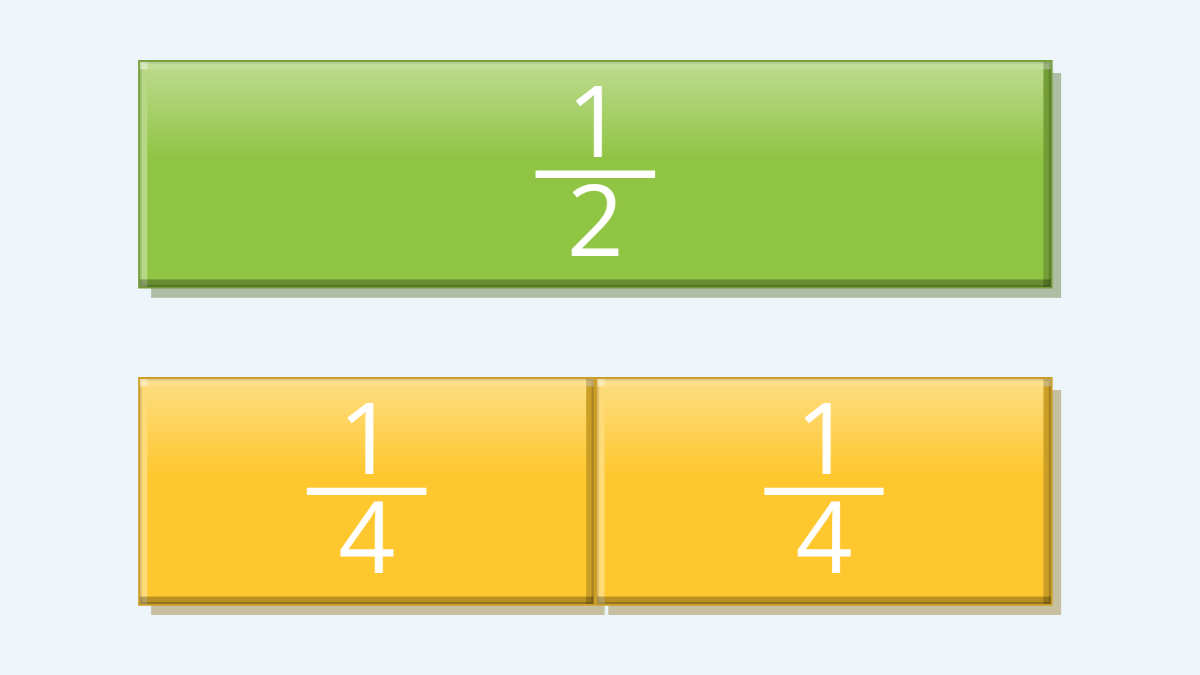
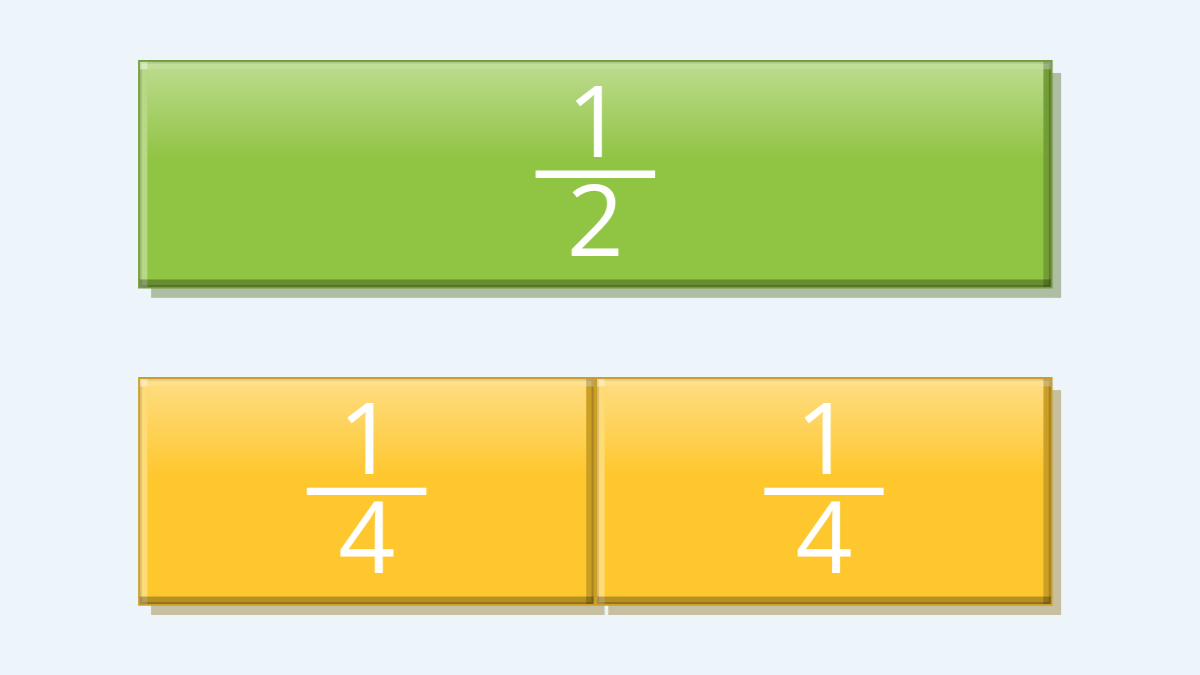
Students split fraction tiles into equal smaller pieces, show that the total length stays the same, and explain the new fraction.
4.NF.A.1 - Same Length, Smaller Pieces
Students split fraction tiles into smaller equal pieces, keep the same total length, and explain the equivalent fraction.
4.NF.A.1 - Split Tiles, Keep the Same Length
Students split fraction tiles into smaller equal pieces and explain why the fraction still covers the same length.
4.NF.A.1
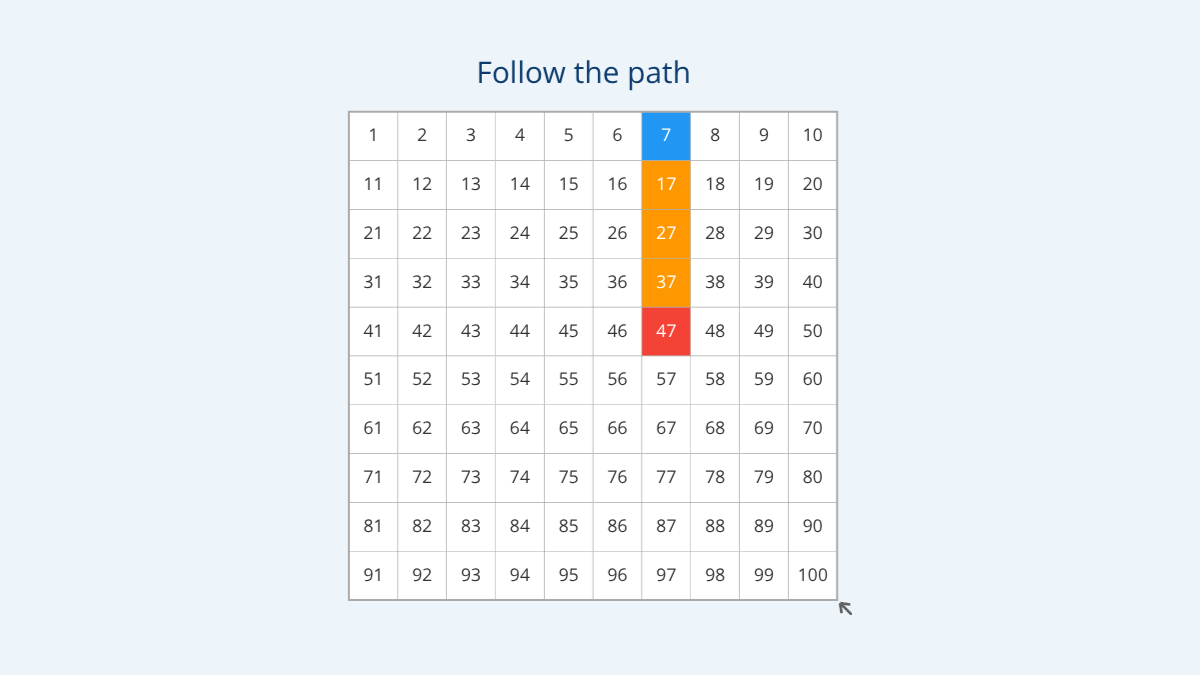
- Multiples and Factors on a Hundreds Chart
Students use patterns of multiples and factor equations to explain whether a number is prime or composite.
4.OA.B.4 - Number Rules and Hidden Features
Students generate terms from a rule and explain a feature the rule does not state.
4.OA.C.5 - Patterns on a Hundreds Chart
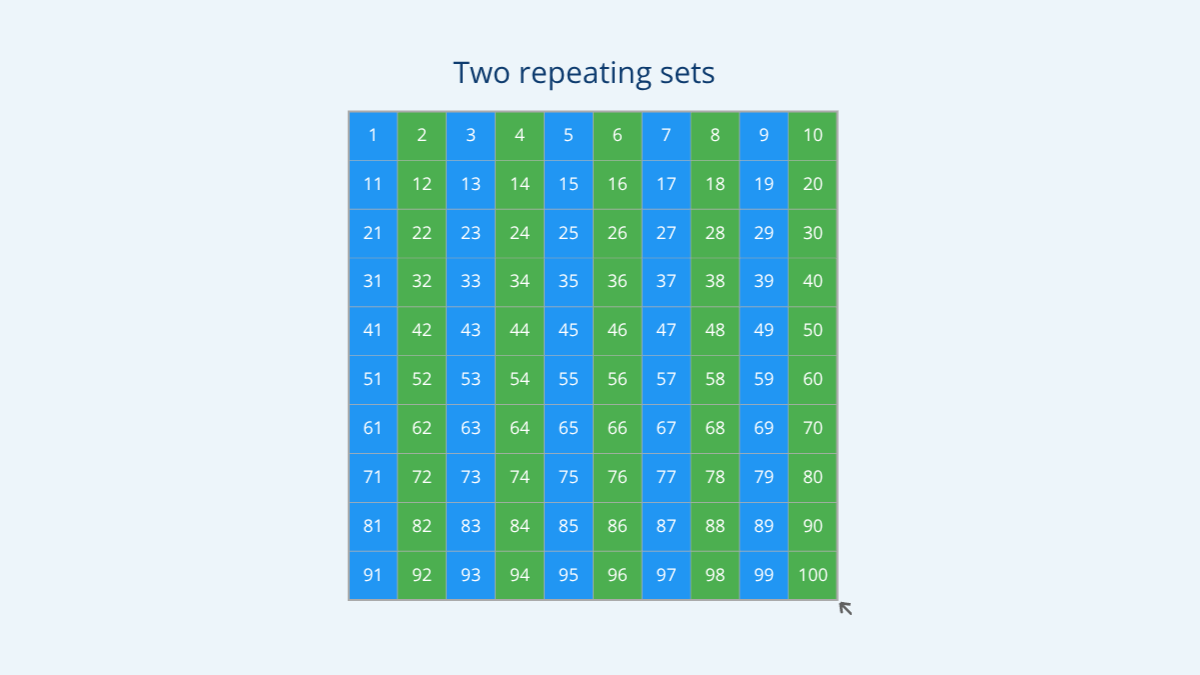
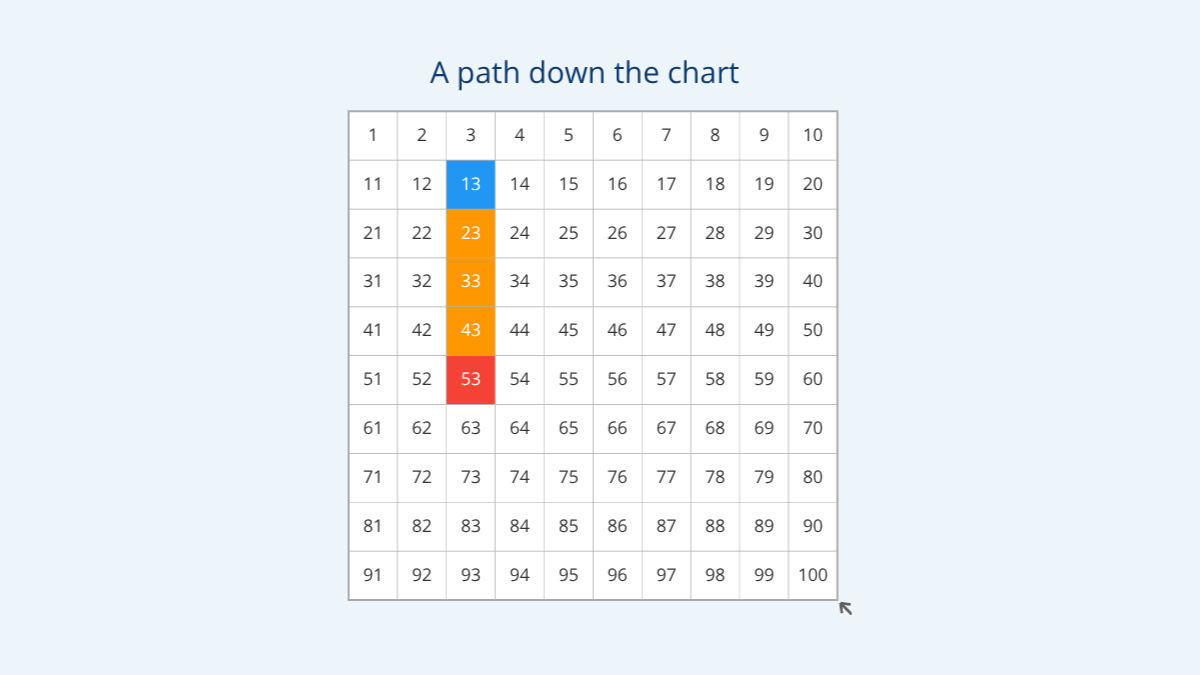
Students generate terms from a rule and explain a pattern they notice in the terms.
4.OA.C.5
- Find the Nearest Benchmark
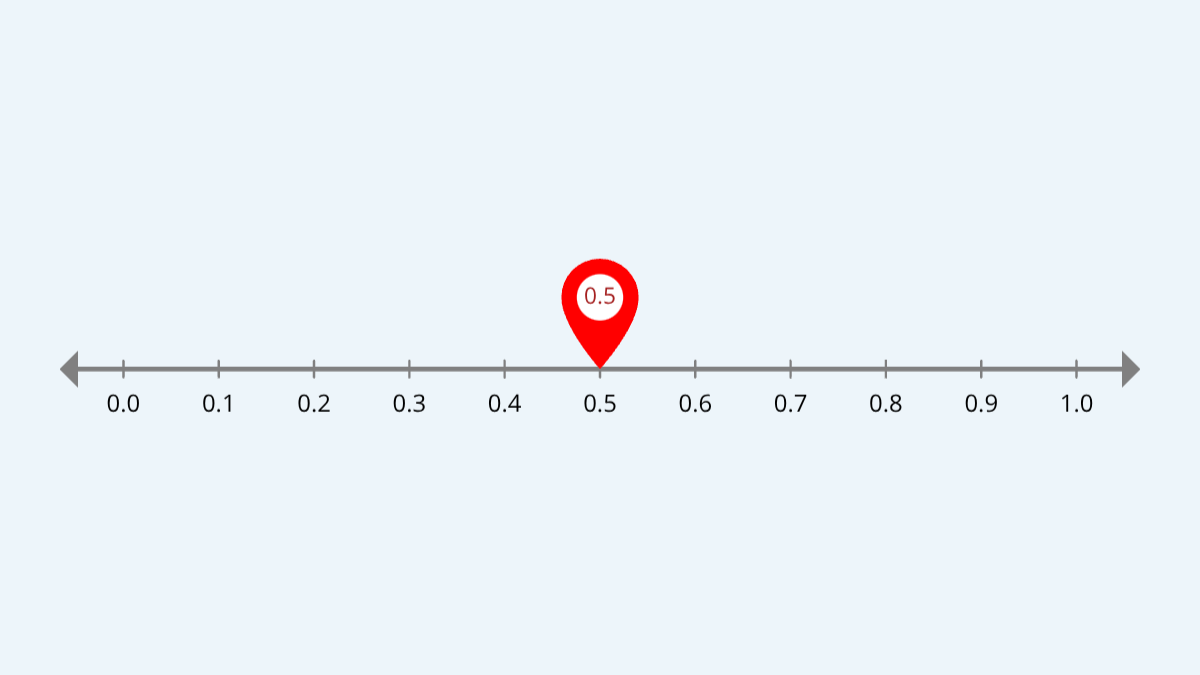
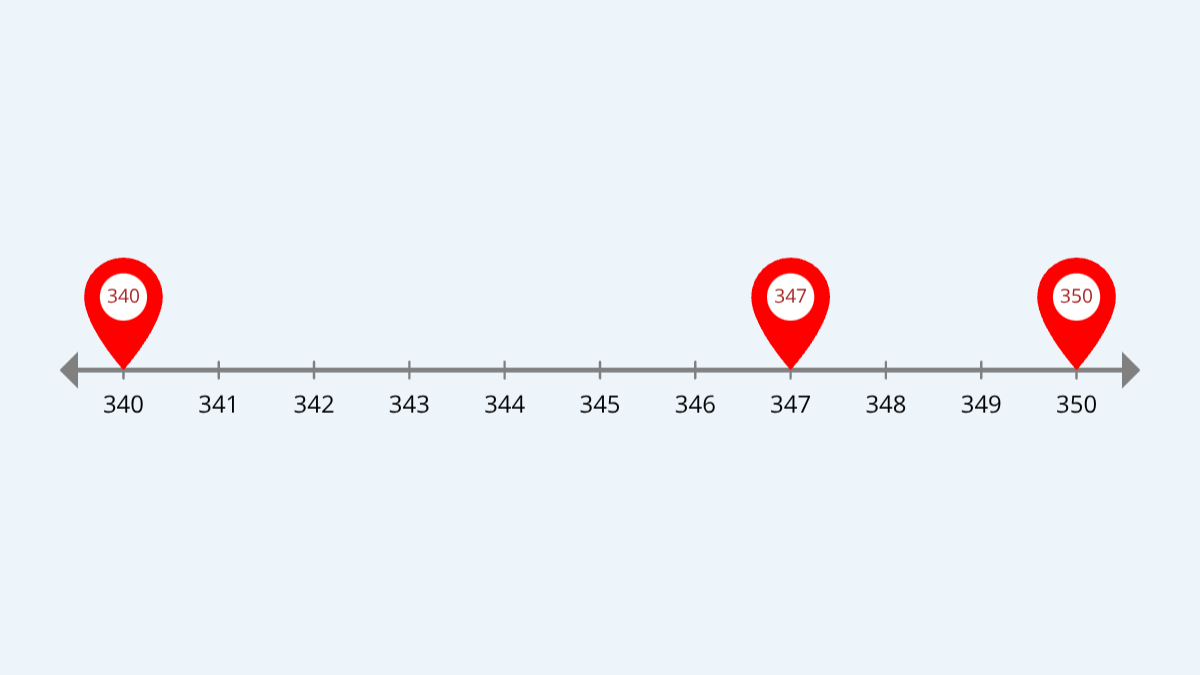
Students use a number line to find which benchmark multiple is nearest to a whole number.
4.NBT.A.3 - Which Benchmark Is Closer?
Students use a number line to find the nearest benchmark multiple of ten or hundred.
4.NBT.A.3
- Find Every Rectangle Array
Students use tiles to build every whole-number rectangle array for a given number and record its rows and columns.
4.OA.B.4 - Split Arrays to Find Partial Products
Students split an array, multiply each part, and add the partial products.
4.NBT.B.5
- Sticker Stories with Number Bars
Students use Number Bars to model a multistep problem, write equations, and check whether their answer makes sense.
4.OA.A.3
- Make Both Sides Match
Students use pattern blocks to create a pattern with a given line of symmetry.
4.G.A.3